 dennis
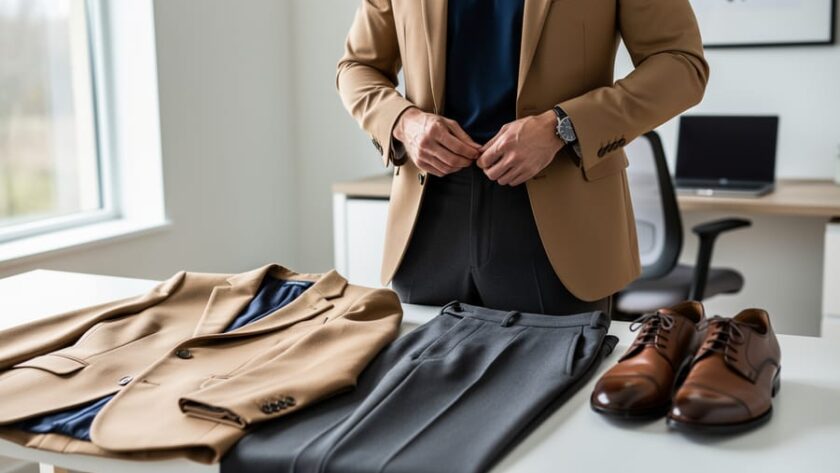
Building a professional wardrobe that works with your body, not against it, starts with understanding that adaptive clothing is simply smart design. Rather than choosing between looking polished and feeling comfortable, you can combine magnetic closures, sensory-friendly fabrics, and seated silhouettes into outfits that meet both boardroom standards and your specific accessibility needs.
The traditional office dress code wasn’t designed with disability in mind. Stiff button-downs, restrictive waistbands, and fiddly zippers create daily friction that shouldn’t exist. Adaptive professional wear solves these barriers through thoughtful construction: side-seam openings for wheelchair users, tagless interiors for sensory considerations, adjustable hemlines that accommodate braces or prosthetics. These aren’t special accommodations. They’re good design choices that benefit many bodies.
Creating your adaptive work wardrobe requires a clear-eyed assessment of your daily movements, sensory preferences, and professional context. You’ll identify which dressing tasks create the most friction, which fabrics support your body throughout long meetings, and which silhouettes project the authority you want while allowing the mobility you need. This process isn’t about settling or making do. It’s about curating pieces that genuinely serve you.
The good news? More brands are embedding accessibility into their core collections, moving beyond clinical aesthetics into genuinely stylish options. By 2026, adaptive features appear across price points, from independent designers working directly with disabled consultants to mainstream retailers integrating magnetic hems and elastic waistbands into regular lines. Your professional image and your physical reality can finally align.
What You’ll Need: Essential Adaptive Workwear Pieces and Resources
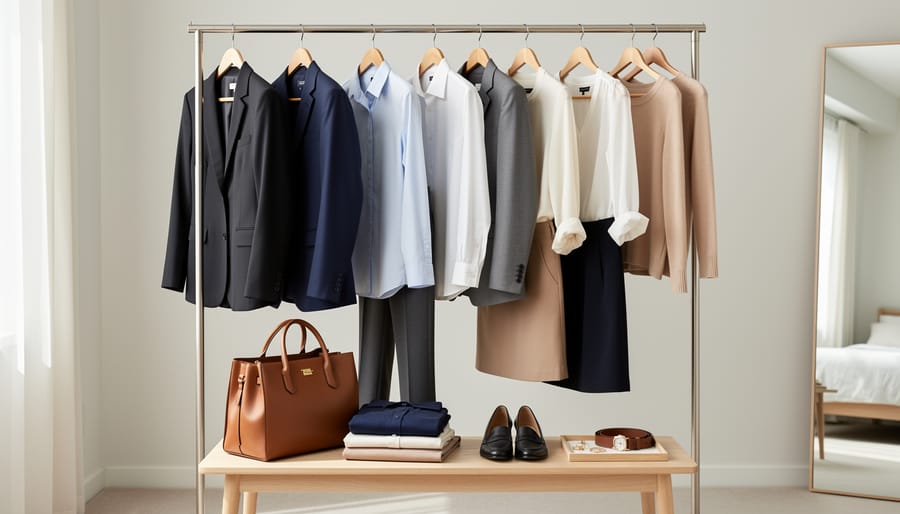
Building an adaptive professional wardrobe starts with understanding which pieces and resources will serve you best. The foundation includes clothing designed with accessibility in mind, complementary accessories, and tools that support independence in dressing.
At the heart of an adaptive wardrobe are garments engineered for ease of use without sacrificing polish. Magnetic closures replace fiddly buttons on dress shirts and blouses, allowing you to fasten clothing with one hand or limited dexterity. Side-opening trousers with snaps or hook-and-loop fasteners make dressing from a seated position straightforward and dignified. Seated-fit blazers account for different proportions when sitting, with adjusted sleeve lengths and shorter back hems that prevent bunching. Sensory-friendly fabrics like tagless construction, flat seams, and breathable natural fibers address touch sensitivities while maintaining a crisp, professional appearance.
- Tops: Magnetic-button shirts, side-zip blouses, stretchy jersey tops with adaptive closures, kimono-sleeve cardigans
- Bottoms: Side-opening trousers, seated-fit pants with elastic waists, A-line skirts with side zippers, pull-on styles in structured fabrics
- Outerwear: Seated-fit blazers, cape-style jackets, cardigans with magnetic closures, reversible pieces for versatility
- Footwear: Slip-on loafers, shoes with adjustable closures, ankle boots with side zippers, orthotic-friendly dress shoes
- Accessories: Clip-on ties, magnetic jewelry, crossbody bags with easy-access pockets, adaptive belts
Beyond clothing, assistive dressing tools expand your independence. Button hooks, zipper pulls with large grips, sock aids, and dressing sticks help you manage garments without assistance. Ergonomic jewelry like magnetic earrings and toggle necklaces adds professional polish without requiring precise fine motor skills.
Sourcing these pieces has become significantly easier thanks to adaptive innovation across the fashion industry. In 2026, mainstream retailers including Target’s Universal Thread, Tommy Hilfiger Adaptive, and ASOS’s adaptive collection offer stylish workwear with built-in accessibility features. Specialized brands like Able2Wear, IZ Adaptive, and MagnaReady focus exclusively on adaptive professional clothing. LOFT PROJECT collaborates with several ethical brands expanding their adaptive lines, including Everlane’s new seated-fit trousers and Reformation’s sensory-friendly work collection.
Online communities and resources connect you with others navigating adaptive dressing. Disabled fashion bloggers share styling tips and brand reviews. Occupational therapy associations maintain lists of adaptive clothing vendors. Local tailors experienced in adaptive alterations can modify standard pieces to meet your specific needs, transforming off-the-rack finds into perfectly functional workwear.
Before You Start: Important Considerations for Adaptive Dressing

Before diving into adaptive workwear shopping, take time to assess your specific situation honestly. Your mobility devices, medication side effects, temperature fluctuations, and daily routines will all influence which pieces serve you best. If you use a wheelchair, cane, or walker, pay close attention to how fabric drapes when seated, whether closures are reachable without twisting, and if hemlines stay put during transfers. Restrictive waistbands, tight armholes, and stiff collars can interfere with movement and increase fatigue throughout your workday.
Fabric choice matters more than you might think. Sensory sensitivities can turn a beautifully tailored blazer into an unwearable distraction if the texture triggers discomfort. Look for sensory-friendly adaptive clothing with flat seams, tagless labels, and soft, breathable materials if you experience tactile sensitivities. Temperature regulation becomes crucial when medications affect your body’s ability to cool or warm itself, so layering options and moisture-wicking fabrics should factor into your decisions.
Emergency removal capability deserves serious consideration. In a medical situation, first responders need quick access. Magnetic closures, side-opening designs, and breakaway features can literally save time when it counts. Similarly, maintaining your independence and dignity throughout the workday means choosing pieces you can manage in restroom situations without assistance.
Before making purchases, clarify your workplace’s dress code flexibility. Federal guidelines establish that employers must provide reasonable accommodation under the ADA which can include modifying dress codes for disability-related needs. If your office requires formal business attire but standard versions don’t work for you, document your needs and have that conversation with HR early.
Many occupational therapists specialize in assistive dressing strategies and can offer invaluable insight before you invest in a new wardrobe. Some adaptive clothing retailers also employ stylists trained in accessibility considerations. Finally, understand return policies thoroughly, adaptive pieces often cost more than standard workwear, and you need the flexibility to return items that don’t meet your needs without financial penalty.
Step-by-Step: Creating Your Adaptive Professional Look

Step 1: Assess Your Specific Needs and Preferences
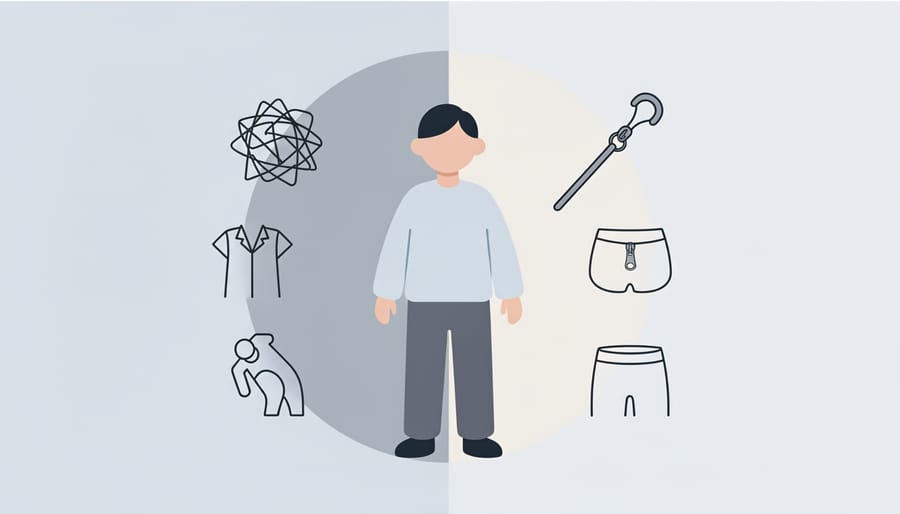
Start by examining how your body moves through a typical workday. Sit at your desk, reach for your keyboard, stand for meetings, and note where clothing pulls, restricts, or causes discomfort. If you use mobility aids like a wheelchair or crutches, observe where fabric bunches or hardware snags. Ask yourself: Which tasks require the most movement? What positions do I hold longest? Where does my current clothing fail me?
Next, consider your sensory relationship with fabric. Does wool irritate your skin? Do tight waistbands trigger anxiety? Are tags unbearable? List textures that feel safe and those that don’t. Temperature regulation matters too, do you run hot in meetings or need extra warmth?
Then identify your non-negotiables: magnetic closures for limited dexterity, side openings for seated dressing, or stretch fabrics for changing body shapes throughout the day. Rank these by importance.
Finally, define your style identity. The same radical inclusivity reshaping beauty applies to professional fashion, your accessibility needs shouldn’t erase your personal aesthetic. Do you lean classic, creative, minimalist? What colors make you feel confident? Merging function with your authentic style creates a wardrobe that truly works.
Step 2: Research and Source Adaptive-Friendly Brands
Once you know what you need, it’s time to find brands that actually deliver. The adaptive workwear landscape has expanded beautifully in 2026, giving you real choice beyond basic functionality.
Start with mainstream retailers who’ve launched dedicated adaptive lines. Many now offer professional pieces with hidden magnetic closures, adjustable waistbands, and seated-fit tailoring alongside their standard collections. These options often match current workplace trends while meeting accessibility needs.
Specialized adaptive retailers focus exclusively on accessible clothing, offering deeper expertise and broader sizing ranges. They understand the nuances of different disabilities and can guide you toward pieces that work for your specific situation.
Don’t overlook custom and semi-custom options. Some designers and tailors specialize in modifying professional wear or creating bespoke pieces that honor both your style vision and your body’s requirements. While pricier upfront, custom garments often outlast multiple fast-fashion purchases.
Ethical brands matter here, too. Look for companies prioritizing fair labor, sustainable materials, and genuine disability representation in their design process, not just performative inclusion. The best adaptive brands involve disabled people at every stage, from concept to marketing, ensuring authenticity alongside function.
Step 3: Start with Foundation Pieces
Start with three to five foundation pieces that’ll anchor every outfit you create. Your core wardrobe should include at least two pairs of adaptive trousers, look for styles with side zippers, elastic waistbands with business-casual appearance, or magnetic fly closures that mimic traditional fastenings. Choose neutral colors like navy, black, or gray that pair effortlessly with multiple tops.
Next, select three adaptive shirts or blouses. Magnetic button fronts eliminate fine motor frustration while maintaining a crisp, professional look. For those who dress while seated, prioritize shorter shirt lengths that won’t bunch or wrinkle under you. Side-opening or wrap styles work brilliantly for individuals with limited shoulder mobility.
Don’t overlook adaptive underlayers. Seamless, tagless basics prevent sensory discomfort during long workdays, while moisture-wicking fabrics help regulate temperature if you have reduced mobility. Front-closure bras with magnetic or hook-and-eye options maintain independence.
Test each foundation piece for real-world functionality. Can you dress yourself comfortably? Does the fabric breathe? Will it survive frequent washing without losing adaptive features? These basics should feel like reliable teammates, not obstacles to overcome each morning.
Step 4: Layer in Statement and Specialty Items
Once your foundation pieces feel reliable, it’s time to inject personality with blazers, dresses, and cardigans that honor both your style and your body’s requirements.
Look for blazers with features that work for you: kimono-style cuts that drape without constricting shoulders, magnetic snap closures instead of fiddly buttons, or side seams that accommodate seated postures. A well-cut cardigan with easy-open fastenings can deliver polish without the wrestling match traditional blazers demand.
Dresses offer elegant one-piece solutions, especially styles with wraparound designs, strategic stretch panels, or hidden side openings. Choose silhouettes that flatter your seated or standing shape and won’t ride up or bunch. Ponte knits and structured jerseys move with you while maintaining professional lines.
Don’t sacrifice expression for function. Bold prints, rich textures, and strong colors work just as well on adaptive pieces as standard clothing. A statement blazer with thoughtful construction becomes your signature piece, not your compromise. The key is ensuring every special item passes your real-world test: Can you dress independently? Does it stay comfortable through meetings? Will you reach for it confidently?
Build gradually. One great adaptive blazer beats five that frustrate you.
Step 5: Accessorize Thoughtfully
Accessories transform a workday outfit from basic to polished, but they need to work with your body, not against it. Start with footwear that genuinely supports your needs: look for adaptive shoes with wide toe boxes, adjustable closures like velcro or elastic laces, and slip-resistant soles. Brands like Nike’s FlyEase line and Zappos Adaptive offer professional styles that accommodate orthotic inserts, swelling, or limited hand dexterity.
Choose bags with crossbody or backpack options rather than shoulder styles that slip or require constant repositioning. Hands-free carrying preserves balance and independence. Lightweight materials matter more than you might expect when managing mobility aids or fatigue.
For jewelry, prioritize magnetic or hinged clasps over tiny lobster catches that frustrate fingers with limited fine motor control. Avoid dangly earrings that catch on hearing aids or sensory-friendly fabrics. Silicone rings offer professional appearance without metal sensitivities or swelling concerns.
Select watches with large, clear faces and adjustable bands. Consider smart watches with health tracking features that double as accessibility tools. Every finishing touch should add confidence, not complication.
Step 6: Test and Refine Your Outfits
Start with a trial run at home before wearing new adaptive pieces to work. Set a timer for your typical workday length and move through your usual activities: sitting, standing, reaching, transferring if you use mobility devices. Pay attention to pressure points that develop over time, not just initial comfort. Does the fabric bunch or shift? Can you access pockets while seated? Do closures stay secure through movement?
Keep a notes app handy during your first week wearing each outfit. Track what feels good at 9 AM versus 3 PM. Notice if certain pieces cause fatigue, restrict movement in ways you didn’t anticipate, or create sensory issues as the day progresses. These real-world insights matter more than fitting room impressions.
Don’t hesitate to modify pieces that almost work. A tailor familiar with adaptive needs can adjust rise lengths, move closures, or add grab tabs. Some brands offer customization services. If a blazer works perfectly except for stiff shoulder seams, consider having them let out. The goal is clothing that supports your workday, not clothing you have to work around.
Styling Tips: Making Your Adaptive Wardrobe Work Harder
Once you’ve built your adaptive wardrobe foundation, the real magic happens when you learn to stretch those pieces further. Start by choosing a cohesive color palette, three neutrals plus one or two accent colors, so nearly everything coordinates. A navy blazer pairs as easily with gray trousers as it does with a printed midi skirt, instantly doubling your outfit combinations without doubling your closet space.
Create outfit formulas you can repeat with different pieces. Try “adaptive trouser + simple top + statement blazer” one day, then swap the blazer for a cardigan the next. Photograph combinations that work well so you’re not reinventing the wheel each morning when energy or time runs short.
For seasonal transitions, layering becomes your best friend. A sleeveless adaptive dress works year-round when you add a cardigan in spring, wear it alone in summer, layer a turtleneck underneath in fall, and top it with a blazer in winter. Choose fabrics that breathe, natural fibers or technical blends, so you can regulate temperature without constantly changing outfits.
Caring for adaptive features requires gentle attention. Hand-wash magnetic closures occasionally to remove buildup that weakens their grip, and store items flat when possible to maintain seated-fit shaping. Check reinforced seams and hidden openings before each wash to catch small issues before they become wardrobe emergencies.
Smart styling hacks make adaptive features virtually invisible. Position a delicate necklace or scarf to draw the eye away from magnetic shirt closures. Wear patterned or textured fabrics that naturally camouflage side seams and openings. For seated silhouettes, choose structured fabrics in blazers and tops that hold their shape beautifully whether you’re sitting or standing.
Remember, professional style isn’t about hiding adaptive features, it’s about expressing your personal style with confidence. Mix classic pieces with an emerging style element or bold accessory that makes you feel unmistakably you. Your wardrobe should work as hard as you do, supporting both your body and your authentic self-expression.
Know You’ve Succeeded: Verification and Next Steps
You’ll know your adaptive professional wardrobe is truly working when getting dressed becomes effortless rather than exhausting. If you can put together an outfit independently in ten minutes or less, without physical strain or frustration, you’ve achieved something significant. Success looks like making it through a full workday without adjusting your clothing repeatedly, experiencing discomfort, or feeling self-conscious about your appearance.
Pay attention to how you feel when you catch your reflection. Confidence matters. If you see someone professional, put-together, and authentically yourself, that’s the goal. Your colleagues shouldn’t focus on your clothing for the wrong reasons. Instead, adaptive features should blend seamlessly into polished looks that let your work speak loudest.
As your needs or career evolves, expand thoughtfully. Add pieces that fill gaps you’ve identified through daily wear. If you’re consistently reaching for certain adaptive features, invest in more items with those elements. Consider working with an adaptive fashion stylist who understands both professional dress codes and accessibility needs.
Don’t hesitate to advocate for more inclusive workplace policies. Share resources with HR about adaptive clothing if dress codes seem unnecessarily restrictive. Many organizations in 2026 are updating policies to accommodate diverse needs, especially as brands increase offerings in sustainable fabrics with adaptive modifications.
For ongoing support, connect with disability fashion communities online, follow adaptive stylists on social media, and bookmark retailers’ new arrivals. Your wardrobe should grow with you, always prioritizing what makes you feel capable and confident.
Common Questions About Adaptive Professional Dressing
Building an adaptive professional wardrobe brings up real questions about cost, workplace acceptance, and finding what truly works for your body and needs. These concerns are valid, and you’re not alone in navigating them.
Does adaptive workwear cost significantly more than standard professional clothing?
Prices vary widely, just like conventional workwear. While some specialized adaptive pieces carry premium pricing, many mainstream brands now offer adaptive lines at comparable price points to their standard collections, and investing in fewer, well-made pieces that actually work for your body often proves more economical than constantly replacing ill-fitting clothes.
How do I talk to my employer about my adaptive clothing needs?
Frame the conversation around professional standards and your ability to do your job effectively. You might say, “I’m looking to ensure my wardrobe meets our dress code while also being functional for my needs,” focusing on outcomes rather than detailed medical information unless you choose to share more.
Will people be able to tell I’m wearing adaptive clothing?
Most adaptive features are designed to be discreet and blend seamlessly with professional aesthetics. Magnetic closures look like standard buttons, side-opening trousers mimic traditional styles, and seated-fit blazers simply look well-tailored, the functionality is invisible to others.
What if I can’t find adaptive options for my specific disability or body type?
Start with alterations to conventional pieces or seek out inclusive brands that offer extended sizing and customization options. Connecting with occupational therapists, disability fashion communities, and local tailors experienced in adaptive modifications can open up solutions beyond ready-to-wear options.
The concern about balancing professional appearance with accessibility is perhaps the most common, and here’s the truth: you shouldn’t have to choose. Professional appearance and accessibility are not opposites. The best adaptive workwear honors both simultaneously, allowing you to show up as your most confident, capable self. When clothing works with your body instead of against it, that comfort and ease translate into genuine professional presence.
If budget is a worry, prioritize foundation pieces first and build gradually. A few well-chosen adaptive basics that you can mix and match will serve you better than a closet full of clothes that frustrate you every morning. Many people find that spending slightly more on adaptive features they’ll actually use daily proves less expensive than repeatedly buying standard pieces that don’t quite work.
Remember that advocating for your needs isn’t asking for special treatment. It’s ensuring you have equitable access to professional opportunities, and that includes the right to dress in ways that are both appropriate and functional for your body.
Building an adaptive professional wardrobe isn’t about compromising your style for function. It’s about recognizing that you deserve both. The landscape of adaptive workwear has transformed dramatically, with 2026 bringing more options, better designs, and greater awareness than ever before. Brands finally understand that professional clothing should serve every body, not just some bodies.
Your accessibility needs aren’t obstacles to overcome in pursuit of looking polished. They’re part of who you are, and your wardrobe should honor that reality. When you prioritize clothing that genuinely works with your body, you show up more confidently, work more comfortably, and spend less energy fighting your outfit.
The choices you make in building your adaptive wardrobe ripple outward. Every time you walk into a professional space dressed in clothing that meets your needs without apology, you challenge outdated ideas about what professional looks like. You create space for others to do the same.
Fashion that works with you, not against you, isn’t a luxury. It’s what everyone deserves. Your style matters. Your comfort matters. Your presence in professional spaces matters. Dress accordingly.