
 dennis
Brand ethic is the set of moral principles, social commitments, and sustainability practices that define how a company operates, from sourcing materials to treating workers to engaging with communities. It’s the lived values behind a logo, the difference between what a brand says and what it actually does when no one’s watching.
For anyone trying to shop with intention in 2026, understanding brand ethic means you can finally cut through the marketing noise. Fashion companies have gotten brilliant at telling beautiful stories about sustainability and inclusion, but brand ethic asks a tougher question: do their supply chains, wages, and environmental footprint back up those claims? This matters because every purchase is a vote, and knowing which brands genuinely align with your values transforms shopping from a transaction into an act of personal integrity.
Brand ethic becomes especially critical when companies collaborate. Partnerships between labels, influencers, or retailers multiply impact, for better or worse. When two brands team up, their ethics don’t cancel out. They compound. A sustainable label partnering with a fast-fashion giant creates friction you can feel, and that tension tells you something important about what each company truly prioritizes.
This article breaks down what brand ethic really means in practice, how it functions across different business decisions, the key dimensions that define it (think labor rights, environmental stewardship, diversity commitments), and why it’s your most reliable compass for choosing partnerships and products that reflect who you are. You’ll walk away able to evaluate any brand collaboration with clarity and confidence.
What Brand Ethic Means in Today’s Fashion Landscape
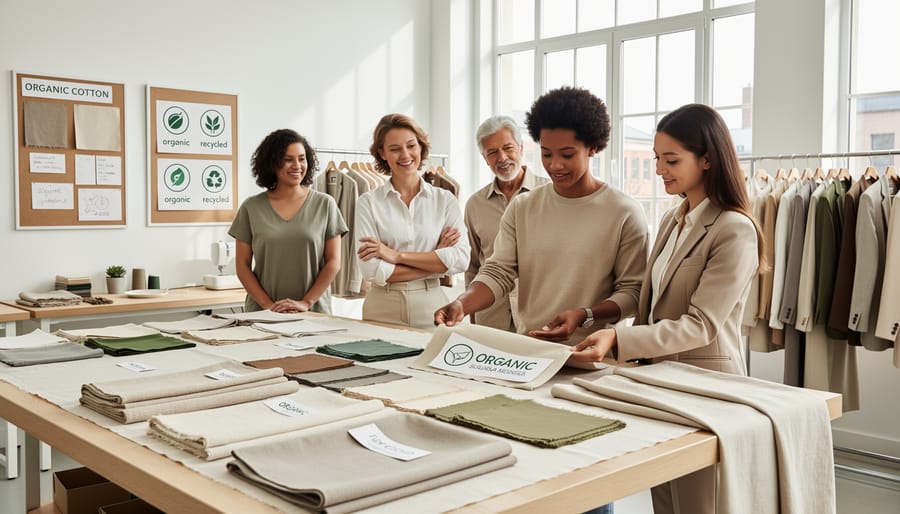
Brand ethic is the set of moral principles and values that guide how a fashion, beauty, or gift brand operates at every level, from sourcing materials and treating workers to communicating with customers and shaping cultural conversations. It’s not a marketing slogan or a single initiative. It’s the foundation that determines whether a brand’s actions match its promises, especially when no one’s watching.
In 2026, brand ethic has become the measuring stick conscious consumers use to separate genuine commitment from polished PR. When you’re choosing between two lipsticks or debating which boutique deserves your loyalty, you’re essentially asking: what does this brand stand for when the cameras are off? The answer lives in their brand ethic, the invisible framework that shapes everything from factory conditions in their supply chain to whether their campaigns reflect the diversity of real bodies and identities.
- Sustainability
- A brand’s commitment to minimizing environmental harm through responsible material sourcing, waste reduction, circular design practices, and carbon footprint transparency.
- Transparency
- The practice of openly sharing information about supply chains, pricing structures, labor conditions, and business practices so consumers can make informed decisions.
- Fair Labor
- Ensuring safe working conditions, living wages, reasonable hours, and dignity for everyone involved in creating products, from farmers to factory workers to artisans.
- Inclusivity
- Designing, marketing, and selling products that celebrate and serve people across all sizes, ages, abilities, gender identities, and cultural backgrounds without tokenism or exclusion.
- Social Responsibility
- Taking active accountability for a brand’s impact on communities, cultures, and social justice issues rather than remaining neutral or exploitative.
These five pillars don’t operate in isolation. A truly ethical brand weaves them together, recognizing that environmental sustainability means nothing if workers are exploited, and inclusivity rings hollow without transparent practices backing it up. Brand ethic is what happens when values stop being abstract ideals and start shaping decisions about which factories get contracts, how much a garment costs, who appears in advertising, and whether a brand takes responsibility when things go wrong. It’s the difference between a company that talks about change and one that builds it into their DNA.
How Brand Ethic Works in Practice
From Values to Visible Action
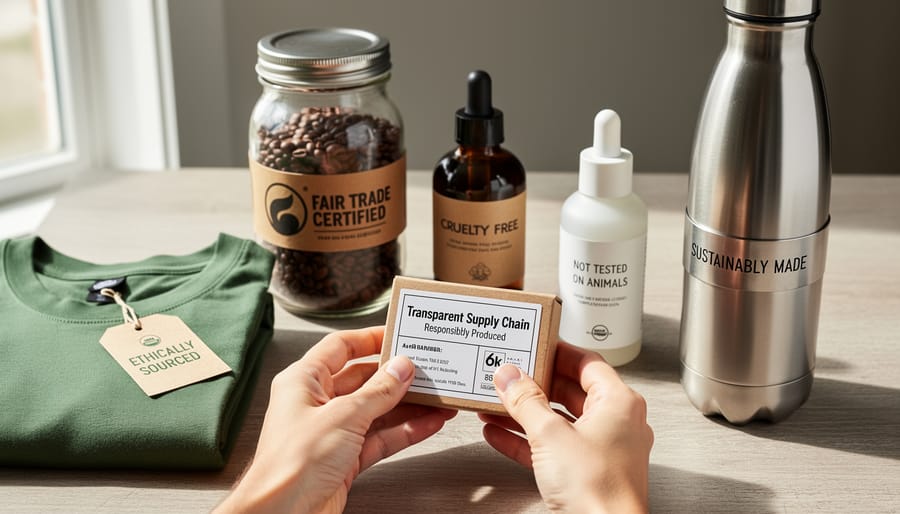
Brand ethic stops being a marketing claim and becomes real when brands back their promises with concrete action. The transformation starts with supply chain decisions, choosing suppliers who meet rigorous labor standards, selecting materials with verified environmental credentials, and building relationships with manufacturers who share the same values. A fashion brand committed to worker welfare doesn’t just state it on their website; they conduct regular factory audits, publish supplier lists, and invest in long-term partnerships that allow fair wages and safe conditions.
The visibility continues through product design and material sourcing. Brands practicing genuine ethics opt for organic cotton over conventional, deadstock fabrics over virgin materials, and ethical manufacturing processes that minimize waste and chemical use. These choices carry higher costs and longer timelines, which ethical brands accept as non-negotiable rather than obstacles to profit.
Communication bridges the gap between internal practices and consumer understanding. Transparent brands share their journey openly, the challenges of sustainable sourcing, the real costs of fair labor, and the trade-offs they navigate. They provide product passports detailing material origins, publish impact reports with actual data rather than vague claims, and use their platforms to educate customers about why their products cost what they do. This honesty builds trust far more effectively than perfection ever could, turning values into visible proof that conscious consumers can see, verify, and support.
The Role of Transparency and Accountability
Transparency and accountability turn ethical promises into verifiable reality. Without them, brand ethic remains just marketing copy. Fashion and beauty brands serious about their values provide concrete evidence through third-party certifications like Fair Trade, GOTS (Global Organic Textile Standard), B Corp, or Leaping Bunny. These certifications require independent audits and ongoing compliance, giving consumers an objective measure of a brand’s claims rather than relying on self-promotion alone.
Public reporting takes transparency further. Brands committed to accountability publish annual impact reports detailing their supply chain practices, carbon emissions, wage data, and progress toward stated goals. Some fashion companies now share factory locations, enabling advocates and journalists to verify working conditions. This level of openness signals confidence in their practices and invites scrutiny rather than hiding behind vague statements.
Direct communication with consumers completes the accountability loop. Brands practicing honest sustainability answer questions about sourcing, admit shortcomings, and explain setbacks without deflection. They engage on social media, respond to criticism constructively, and update customers when they fall short of targets. This two-way dialogue builds trust that polished marketing campaigns cannot replicate. When a brand welcomes accountability, it demonstrates that its ethic extends beyond aspirational language into genuine commitment backed by measurable action.
Different Dimensions of Brand Ethic
Environmental Responsibility
Environmental responsibility stands at the forefront of brand ethic in fashion, where material choices directly impact our planet’s future. Brands committed to this dimension prioritize sustainable fabrics like organic cotton, recycled polyester, and regenerative fibers that restore rather than deplete natural resources. They embrace circular fashion principles by designing clothes for longevity, offering repair services, and creating take-back programs that keep garments out of landfills.
Carbon footprint reduction shapes every decision, from local manufacturing that cuts shipping emissions to renewable energy powering production facilities. Progressive brands measure and publicly report their emissions, setting concrete targets rather than vague sustainability promises.
Packaging tells its own story. Ethical brands skip plastic polybags in favor of compostable mailers, recycled cardboard, and minimal materials that protect products without excessive waste. Some eliminate packaging entirely for direct-to-consumer shipments. These tangible environmental commitments reveal whether a brand’s ethics extend beyond marketing slogans into genuine planetary stewardship that fashion-conscious consumers can see and verify.
Social and Labor Justice
Social and labor justice represents how brands treat the people behind their products. This dimension focuses on fair wages that allow workers to meet their basic needs and support their families, not just minimum legal requirements. It includes safe factories with proper ventilation, reasonable hours, and protection from hazardous materials or exploitation.
Diversity and inclusion extend beyond marketing campaigns into hiring practices, leadership representation, and workplace culture. Brands with strong labor ethics ensure their teams reflect the diverse communities they serve, creating opportunities across race, size, age, gender identity, and ability.
Community impact matters too. Ethical brands invest in the neighborhoods where they produce, supporting education programs, healthcare access, and local infrastructure. They build long-term relationships with suppliers rather than chasing the cheapest labor. When you support these brands, you’re backing fair treatment and dignity for garment workers, artisans, and everyone in the supply chain.
Economic Fairness
Economic fairness in brand ethic centers on how a company distributes value throughout its supply chain. Ethical pricing means charging amounts that allow fair compensation for makers while remaining accessible to customers, not just maximizing profits. Many conscious fashion brands now support artisans and small-scale producers by paying above-market rates, offering advance payments, and maintaining long-term partnerships that provide stable income. Transparent profit margins represent another crucial element: brands committed to economic justice openly share what percentage goes to production costs versus markup, helping consumers understand where their money actually goes. This approach challenges the industry standard where luxury items carry 800% markups while garment workers earn poverty wages, creating a more equitable system that values human labor appropriately across all stages of production.
Cultural Sensitivity and Representation
Cultural sensitivity means brands respect the origins of their design inspiration without appropriation. Ethical fashion and beauty brands credit artisan communities, collaborate directly with cultural creators, and compensate fairly for traditional techniques or patterns. Diverse representation extends beyond token imagery, it means models, designers, and marketing teams reflect the full spectrum of ages, sizes, ethnicities, abilities, and gender identities that make up the consumer base. Inclusive marketing practices avoid stereotypes and speak to real people’s experiences. Brands practicing radical inclusivity ensure everyone sees themselves welcomed and valued, not as an afterthought but as central to the brand’s vision. This dimension of brand ethic acknowledges that fashion and beauty exist within cultural contexts that deserve respect and authentic representation.
Where Brand Ethic Matters Most: Real-World Applications
Building Authentic Brand Partnerships
When fashion magazines, retailers, and brands share a genuine commitment to ethical practices, their collaborations carry weight that audiences can feel. Authentic ethical fashion partnerships emerge from aligned values, not just marketing opportunities. A sustainable clothing brand partnering with a magazine known for inclusive representation creates credibility because both parties demonstrate consistent principles through their actions.
These partnerships work because they’re built on mutual accountability. When retailers collaborate with brands that prioritize fair labor and eco-friendly materials, they strengthen their own ethical positioning while introducing conscious consumers to verified options. The best collaborations involve shared transparency standards, joint sustainability goals, and public commitments that both partners uphold beyond the campaign duration.
Strong partnerships also serve as a safeguard, with each party’s reputation reinforcing the other’s authenticity and avoiding greenwashing. Retailers vet brand claims, magazines investigate supply chains, and ethical brands maintain standards that justify the association. This mutual scrutiny creates collaborations that fashion-conscious individuals can trust, knowing the partnership reflects genuine shared values rather than opportunistic branding.
Guiding Consumer Choices
When you’re shopping for clothes, beauty products, or gifts, brand ethic becomes your compass for making purchases that feel right. Instead of choosing based solely on price or aesthetics, you can now evaluate whether a brand’s values match your own, whether that’s supporting size-inclusive fashion, cruelty-free cosmetics, or fair-trade accessories.
This shift transforms shopping from a transactional moment into an expression of personal values. A Gen Z shopper might prioritize brands with transparent diversity initiatives, while someone in their 50s focuses on sustainable materials and longevity. Parents look for children’s clothing from companies with ethical labor practices. Plus-size consumers seek brands that champion body positivity beyond marketing slogans.
Brand ethic gives you permission to ask tough questions before buying: Where was this made? Who made it? What materials were used? Does this company support communities like mine? The answers reveal whether a brand deserves your money and loyalty.
You’re not just purchasing a product anymore. You’re voting with your wallet for the kind of fashion industry you want to exist, one that respects people, planet, and the beautiful diversity of everyone who wears it.
Driving Industry Change
When leading brands commit to rigorous ethical standards, they create ripple effects throughout the fashion industry. Competitors feel pressure to match those commitments or risk appearing indifferent, which pushes entire product categories toward better practices. A beauty brand that publishes full ingredient sourcing details, for instance, makes it harder for rivals to hide behind vague sustainability claims. Fashion retailers that pay living wages force others to justify lower compensation. This competitive dynamic accelerates change faster than regulation alone, as brands recognize that ethical leadership attracts loyal customers across all demographics. Industry-wide shifts toward transparent supply chains, inclusive sizing standards, and cruelty-free materials often trace back to pioneering brands whose strong ethics proved both morally sound and commercially successful.
Common Questions About Brand Ethic
Spotting the difference between genuine brand ethic and clever marketing requires a critical eye, especially in an industry where ethical claims have become selling points. Many fashion-conscious shoppers wonder where to start when trying to verify if a brand truly walks the walk.
How can I verify if a brand’s ethical claims are real?
Look for third-party certifications like Fair Trade, GOTS, or B Corp status rather than relying solely on brand messaging. Check if the brand publishes transparent supply chain information, annual impact reports, or specific data about wages, materials, and production locations.
What’s the difference between brand ethic and greenwashing?
Brand ethic represents consistent, verifiable commitments embedded throughout a company’s operations, while greenwashing uses superficial environmental or social messaging without substantive action. Authentic brand ethic includes accountability measures and transparent reporting, not just aspirational language.
Why does brand ethic matter specifically for inclusive fashion?
Strong brand ethics ensure that inclusivity extends beyond marketing imagery to actual representation in hiring, design processes, size ranges, adaptive features, and pricing accessibility. Brands with genuine ethics create products and experiences that respect and serve people across all identities, bodies, and backgrounds.
Which certifications should I look for when evaluating brand ethics?
Trusted certifications include Fair Trade Certified, GOTS for organic textiles, Bluesign for chemical safety, OEKO-TEX for harmful substance testing, and B Corp for overall social and environmental performance. Industry-specific badges like Leaping Bunny indicate cruelty-free practices in beauty products.
The presence of certifications matters, but so does the story around them. Brands with strong ethics typically explain why they chose specific certifications and what those standards mean in practice. They’ll discuss the trade-offs they navigate, acknowledge where they’re still improving, and provide context for their choices rather than just displaying badges.
Red flags include vague claims without supporting evidence, sudden ethical pivots that coincide with trending topics, limited product lines labeled as sustainable while the core business remains unchanged, or brands that become defensive when questioned. Authentic brand ethic invites scrutiny and celebrates informed consumers who ask tough questions.
Your questions deserve real answers, not polished deflections. Brands truly committed to their ethics treat transparency as an ongoing conversation, not a one-time announcement.
Understanding brand ethic isn’t just about making smarter shopping choices. It’s about recognizing your power as a fashion-conscious individual to shape the industry you support. When you know what a brand truly stands for, beyond the marketing polish, you can build a wardrobe that reflects who you are and what you believe in.
The ethical brand partnerships we see emerging across fashion, beauty, and gift industries in 2026 are direct responses to people like you asking better questions. Every time you choose a brand with strong environmental practices, fair labor standards, or genuine inclusivity, you’re voting for the kind of fashion landscape you want to see. You’re telling the industry that transparency matters, that diversity isn’t optional, and that ethics can’t be an afterthought.
This shift benefits everyone. Brands with authentic ethics attract customers who become loyal advocates. Consumers gain confidence knowing their purchases support fair wages, sustainable practices, and inclusive representation. The entire industry moves forward when ethical standards become the baseline rather than the exception.
Your fashion choices have always been personal. Now they can be powerful too. By understanding brand ethic and demanding it from the companies seeking your support, you’re not just following trends. You’re helping create a more honest, inclusive, and responsible fashion world where everyone truly belongs.