 dennis
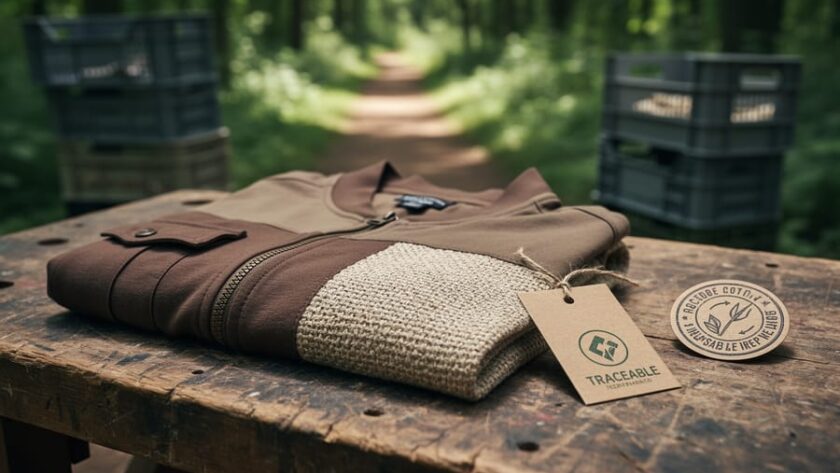
Finding outdoor apparel brands you can actually trust in 2026 means looking past marketing buzzwords and verifying compliance with the new wave of sustainability regulations reshaping the Canadian fashion market. With 89 verified sustainable fashion manufacturers now targeting Canada and regulatory enforcement replacing vague “eco-friendly” labels, the brands worth your attention are those demonstrating transparent material sourcing, third-party certifications, and traceable supply chains.
The shift is real. Consumers aren’t just asking which brands make great hiking jackets anymore. They’re searching for bamboo, hemp, and organic cotton specifically, demanding proof that environmental claims hold up under scrutiny. This matters because the outdoor apparel industry has long traded on nature imagery while its production practices told a different story. Now, with circular economy infrastructure investment accelerating and material-specific transparency becoming the baseline, you have tools to separate genuine commitment from greenwashing.
Brands like Patagonia and The North Face continue to maintain compliance with evolving sustainability certifications, but the landscape extends far beyond household names. The question isn’t whether a brand talks about sustainability. It’s whether they can show you the certifications, share their supply chain data, and explain exactly what makes their materials different. As the Outdoor Retailer 2026 event approaches this August at the Minneapolis Convention Center, industry conversations are centering on verification methods, not aspirational statements. For anyone building a wardrobe that performs on the trail and aligns with your values, understanding how to evaluate these claims transforms your shopping strategy from guesswork into informed decision-making.
The 2026 Transparency Revolution in Outdoor Fashion
The Canadian outdoor apparel market is undergoing its most significant transformation in decades, and the change is anything but subtle. Years of vague “eco-friendly” branding and unverified green claims are giving way to a new era where transparency is not optional, it is enforced.
Regulatory bodies are cracking down on greenwashing, demanding that outdoor apparel brands back up sustainability statements with verifiable data. At the same time, circular economy infrastructure investment is making it possible for brands to demonstrate their environmental commitments through concrete actions: take-back programs, recycled materials with traceable supply chains, and manufacturing partnerships that meet strict environmental standards. This is not aspirational marketing. It is accountability.
Consumer behavior reflects this shift. Shoppers are no longer satisfied with feel-good labels slapped on hang tags. Instead, material-specific searches are surging, bamboo, hemp, organic cotton, as people prioritize fabric origin and production methods over brand promises alone. When someone searches for outdoor gear now, they want to know exactly what they are buying and how it was made.
The numbers tell the story. There are 89 verified sustainable fashion manufacturers currently targeting the Canadian market, a figure that represents both the growing demand and the rigorous vetting process brands must undergo to earn that designation. “Verified” means meeting environmental regulations and maintaining compliance with recognized sustainability standards, not self-declared commitments.
For outdoor apparel brands, this revolution means adapting or falling behind. The brands maintaining compliance, Patagonia and The North Face among them, are not just surviving the shift; they are setting the benchmark. What separates them is not marketing language but measurable, documented practices that hold up under scrutiny.
This is the landscape outdoor brands operate in now: one where transparency is the baseline, not the exception. And for consumers who have long wanted to align their purchases with their values, that shift changes everything.
Material Matters: What to Look for Beyond the Label
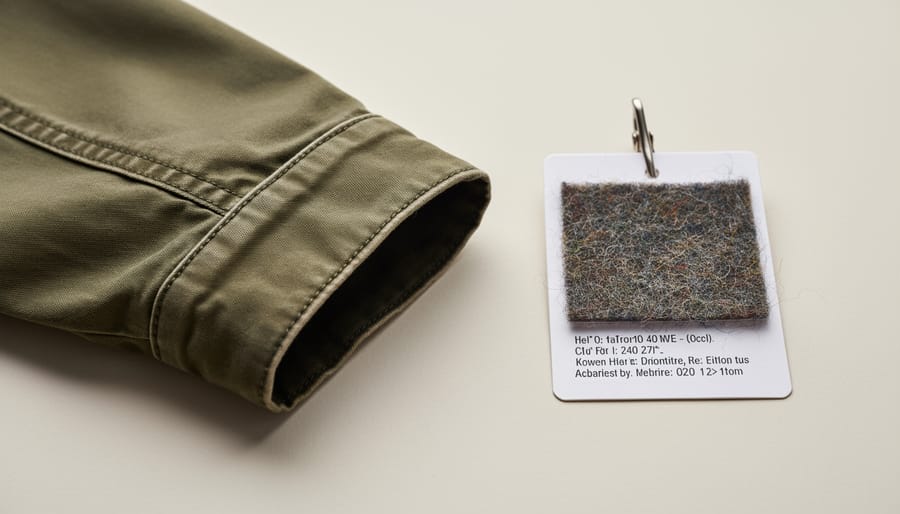
The question “What fabric is this actually made from?” has replaced “Is this brand sustainable?” in 2026. Consumers tired of vague environmental claims are now searching for specific materials, and the data reflects it. Searches for bamboo, hemp, and organic cotton have surged as shoppers learn that fabric origin matters more than marketing.
Each material carries distinct environmental and performance benefits, but also potential pitfalls if sourced carelessly.
- Bamboo
- Grows rapidly without pesticides and requires minimal water, but verify the processing method. Mechanical bamboo retains sustainability credentials, while chemical viscose processing can negate environmental benefits.
- Hemp
- Requires half the water of cotton, enriches soil naturally, and produces durable fabric that softens with wear. Look for certifications confirming no synthetic fertilizers were used during cultivation.
- Organic Cotton
- Grown without toxic pesticides or synthetic fertilizers, using 91% less water than conventional cotton. Verify GOTS or similar certification, as the term “organic” alone carries no legal weight in many jurisdictions.
The catch is that these materials can still be produced unethically. Bamboo labeled “eco-friendly” might be chemically processed in facilities with poor labor standards. Hemp can be blended with conventional polyester, diluting its benefits. Organic cotton certification means nothing if the dyes contain heavy metals.
Smart shoppers now ask three questions before buying. First, what percentage of the garment is made from the sustainable material claimed? A jacket described as “bamboo” that contains 15% bamboo fiber and 85% polyester is misleading. Second, where was the fabric processed and under what standards? Third, are there independent certifications backing the claims?
The shift from brand loyalty to material literacy represents a fundamental change in how outdoor apparel is purchased. When you know what to look for in the fabric itself, you’re no longer dependent on a brand’s promises. You’re verifying their honesty with every product tag you read, and that’s precisely the accountability the industry needs.
Brands Walking the Talk (Not Just Talking)
Compliance isn’t aspirational anymore. Several outdoor apparel brands have shifted from making promises to maintaining verifiable standards, and the difference shows in how they operate.
Patagonia continues to lead in transparency, publishing detailed supply chain information and environmental impact data that consumers can actually verify. The North Face maintains third-party certifications across its product lines, making it easier to check claims rather than trust marketing copy. Both brands respond to the regulatory pressure shaping the Canadian market in 2026, but they’ve also recognized that informed shoppers now cross-reference materials, certifications, and manufacturing practices before buying.
What sets these brands apart isn’t perfection. It’s accountability. They disclose where products are made, which materials are used, and how waste is managed. That level of openness matters more than the sustainability buzzwords that dominated brand rankings in previous years.
Smaller brands are following suit. Arc’teryx has expanded transparency around its manufacturing processes, while Fjällräven focuses on traceable down and recycled polyester. The shift extends beyond technical gear. Brands launching upcycling collection initiatives are proving that circular fashion can work in outdoor apparel without compromising durability or weather resistance.
The 89 verified sustainable manufacturers now targeting the Canadian market include both legacy outdoor brands and newer entrants, but the common thread is documentation. Certifications, material sourcing, and production methods are no longer kept behind the scenes. Brands that can’t prove their claims are being left behind by consumers who’ve learned to ask harder questions.
This isn’t about celebrating brands for doing what they should have done all along. It’s recognizing that the industry has finally reached a point where transparency is standard practice, not a competitive advantage.
Where the Industry Gathers: Outdoor Retailer 2026
Trade shows matter because they force brands to show their cards. When outdoor apparel companies gather at the Minneapolis Convention Center for Outdoor Retailer 2026 on August 19-21, they won’t just be displaying product lines. They’ll be demonstrating compliance in a market where regulators are watching and consumers are fact-checking.
This annual August event has evolved from a wholesale buying marketplace into a transparency stress test. Brands that used to lean on broad sustainability slogans now arrive with material certifications, supply chain documentation, and third-party verification ready for scrutiny. The Minneapolis venue becomes a showcase for who can back up their claims and who can’t.
The New Apparel & Lifestyle segment, running August 25-27, signals how outdoor brands are adapting beyond technical gear. As functional outdoor pieces move into everyday wardrobes, the sustainability standards have to travel with them. A waterproof jacket worn on city streets faces the same ethical questions as one worn on a mountain trail.
For consumers, these industry gatherings offer a preview of what’s coming to retail shelves, but more importantly, they reveal which brands are investing in transparency infrastructure versus which ones are still stalling. The conversations happening at these trade shows in August shape the product releases and marketing claims you’ll encounter for the next twelve months.
When 89 verified sustainable manufacturers are competing for market share in Canada alone, trade shows become battlegrounds for credibility. Brands know that buyers, retailers, and increasingly savvy consumers will compare certifications, quiz sourcing practices, and demand proof. The outdoor apparel industry gathers every August to prove it can meet that standard.
From Trail to Street: The Retail Experience Evolves
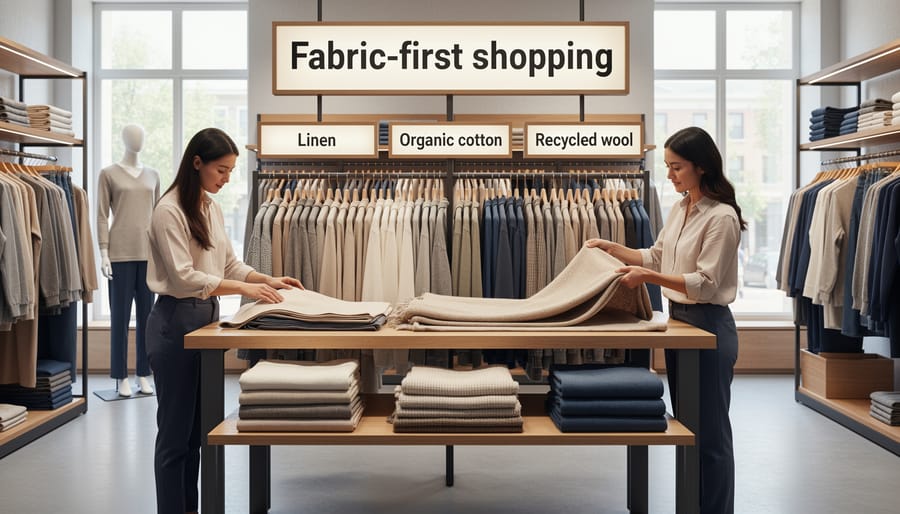
Outdoor gear is no longer confined to mountain peaks and forest trails. In 2026, outdoor apparel brands are bringing technical fabrics and sustainable practices into the heart of our cities, making verified outdoor pieces accessible where people actually live and shop. This shift matters because it removes the barrier of specialty stores and puts transparent, functional clothing into everyday retail spaces.
Canada Goose’s flagship locations at Yorkdale Shopping Centre in Toronto and Wooster Street in SoHo represent this transformation. These aren’t just stores, they’re testing grounds for how outdoor brands can meet urban shoppers where they are. When a brand known for extreme-weather gear opens in a major mall or a fashion-forward neighborhood, it signals that outdoor apparel has evolved beyond expedition outfitting into something that fits seamlessly into daily life.
This retail evolution mirrors what we’ve seen with other fashion cycles, including how 2000s fashion found new life by adapting past aesthetics to current values. Outdoor brands are applying the same approach, taking their heritage of durability and transparency and repackaging it for people who commute, not summit. The result is clothing that performs on city streets while maintaining the material integrity and verified sustainability claims we now expect from outdoor brands.
How to Shop Outdoor Apparel With Confidence in 2026
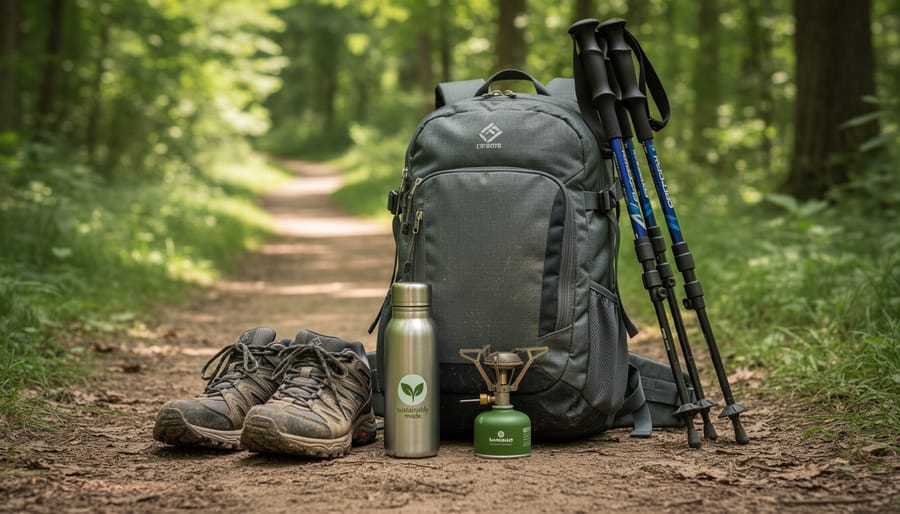
Shopping for outdoor apparel doesn’t have to mean compromising your values or second-guessing every brand claim. The 2026 transparency shift makes verification easier, but you still need to know where to look and what questions to ask.
Start with the fabric itself. When a brand highlights bamboo, hemp, or organic cotton, check if they specify where the material comes from and how it was processed. Material-specific searches are now your best tool because they cut through marketing fluff and focus on what you’re actually wearing. If a brand can’t tell you the origin of their materials or explain their supply chain, that’s a red flag.
Before you buy, run through this mental checklist:
- Does the brand specify material origins and processing methods, or rely on vague eco-language?
- Can you find third-party verification of their sustainability claims, not just their own marketing?
- Do they explain their supply chain transparently, including manufacturing locations?
- Are they compliant with current environmental regulations in their target markets?
- Do they address the full lifecycle of the garment, including end-of-use options?
Visit physical retail locations when you can. Brands expanding into accessible urban spaces, like those opening flagships at Yorkdale Shopping Centre or on Wooster Street, often provide transparency tools in-store that aren’t available online. You can ask staff direct questions, examine labels closely, and feel the quality of materials firsthand.
Don’t let sustainability shopping become a source of stress relief. Start with one or two priorities that matter most to you, whether that’s organic materials, fair labor practices, or circularity programs. You don’t need to verify everything at once. As you build familiarity with the 89 verified sustainable manufacturers targeting the Canadian market, you’ll develop instincts for which brands align with your values without exhaustive research every time.
Remember that style and ethics aren’t opposing forces. The outdoor-to-urban crossover happening across the industry means you can find pieces that work on trails and city streets while meeting your sustainability standards. Focus on versatile, well-made items that fit your life rather than chasing trends that won’t last a season.
The accountability moment we’re witnessing in outdoor apparel isn’t a passing trend, it’s a structural shift that changes what we can expect from brands and what we’re entitled to ask for as consumers. When manufacturers face real consequences for vague claims and retailers stock products with verifiable material origins, shopping with confidence becomes realistic rather than aspirational.
This matters especially if you’ve felt excluded by outdoor fashion’s historic gatekeeping around body size, price point, or who “belongs” on the trail. Transparency standards apply equally whether a brand sells premium expedition gear or accessible everyday pieces. You can now verify sustainability claims for bamboo tees and organic cotton joggers with the same rigor previously reserved for technical shells, which democratizes ethical shopping in ways the industry has resisted for decades.
The 89 verified manufacturers targeting the Canadian market prove there’s infrastructure behind the shift, not just marketing promises. Brands expanding into accessible urban retail spaces signal they’re competing for everyday customers, not just outdoor enthusiasts with disposable income. That competition drives better disclosure, clearer labeling, and ultimately more choices for all of us.
Your questions matter now. Ask about fiber sources, request certification details, and walk away from brands that dodge specifics. The brands doing the work welcome scrutiny because transparency is their competitive advantage. The rest are learning accountability the hard way, which benefits everyone who values both ethics and style.