 dennis
Radical Cosmetics operates at the intersection of two distinct yet connected beauty worlds: the Fort Pierce, Florida-based contract manufacturer that has powered independent beauty brands since 2003, and the growing movement toward accessible, ethical cosmetics production that empowers creators from all backgrounds to bring their visions to life.
Since opening its doors on North 2nd Street in Fort Pierce, Radical Cosmetics has specialized in color cosmetics and skincare development, offering private label solutions and innovative packaging to beauty entrepreneurs who might otherwise lack the resources or expertise to manufacture their own lines. The company built its reputation on quality formulations, particularly those featuring natural ingredients, giving smaller brands the same manufacturing capabilities once reserved for corporate beauty giants.
This manufacturing model represents something genuinely radical in an industry historically dominated by massive conglomerates with exclusive production networks. When beauty creators from underrepresented communities can access professional-grade manufacturing, custom formulation, and thoughtful packaging solutions, the entire landscape shifts. The products filling our makeup bags begin to reflect the diversity of people actually using them.
Understanding how companies like Radical Cosmetics operate matters whether you’re considering launching your own beauty line or simply curious about the supply chain behind your favorite indie brands. The process demystifies beauty manufacturing and reveals how the brands championing inclusive shade ranges, clean ingredient lists, and authentic storytelling actually get their products made. Pricing requires direct consultation with their team, reflecting the customized nature of contract manufacturing where minimum order quantities, ingredient selections, and packaging choices vary dramatically between projects.
What Makes Cosmetics Manufacturing ‘Radical’ in 2026
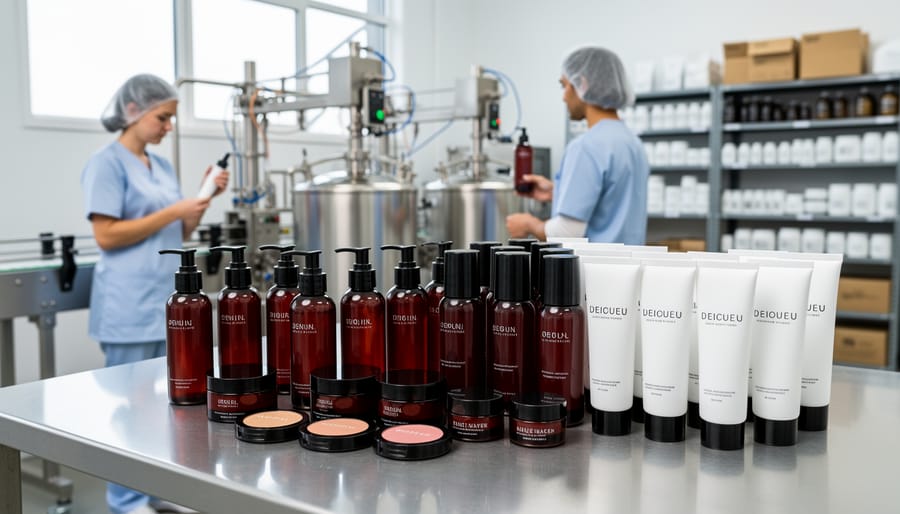
The word “radical” in beauty manufacturing once suggested experimental formulas or avant-garde aesthetics. In 2026, it means something fundamentally different: dismantling the barriers that have kept beauty product creation exclusive to corporations with millions in capital. Radical cosmetics manufacturing challenges the entrenched gatekeeping that historically determined who could launch a beauty line and whose vision deserved shelf space.
For decades, developing a makeup or skincare product required substantial infrastructure. You needed factory access, relationships with ingredient suppliers, expertise in formulation chemistry, and the capital to produce thousands of units before selling a single lipstick. This system naturally favored established players and locked out independent creators, particularly those from marginalized communities who lacked industry connections or generational wealth.
Contract manufacturing flips this model. Companies like Radical Cosmetics, operating since 2003, provide the production infrastructure, formulation expertise, and ingredient sourcing that independent brands can access without building factories. This shift means a salon owner in Cleveland, a beauty influencer in Atlanta, or a skincare enthusiast with a innovative idea can launch professional-grade products that compete with legacy brands on quality.
The prioritization of natural ingredients further separates radical manufacturing from traditional models. Where conventional beauty production often treated clean formulations as premium add-ons with luxury pricing, newer manufacturers have made them standard. This democratizes access to formulas free from harsh chemicals, making conscious beauty a baseline rather than an exclusive category.
Who gets to create beauty products is changing. The radical element isn’t just about ingredients or sustainability claims; it’s about redistribution of creative power in an industry that has long determined whose ideas matter and whose customers deserve attention.
The Radical Cosmetics Approach: Quality Meets Accessibility
Made in America: The Fort Pierce Advantage
Radical Cosmetics’ Fort Pierce facility represents more than a production site, it’s a strategic advantage for brand partners. When your products are manufactured at 1401 North 2nd Street in Fort Pierce, Florida, you’re choosing proximity, accountability, and oversight that offshore production can’t match.
Domestic manufacturing eliminates the quality challenges with offshore production, language barriers, time zone delays, and the inability to visit the facility making your products. A Florida-based operation means faster turnaround times, easier communication, and the ability to physically inspect production runs if needed. For small brands, this accessibility matters. You can resolve formulation questions in real time rather than waiting days for email responses from another continent.
There’s also an ethical dimension. Choosing USA-based manufacturing supports domestic jobs and ensures labor practices meet American standards. For conscious consumers increasingly asking where and how products are made, “Manufactured in Fort Pierce, Florida” becomes a selling point, proof of transparency and commitment to fair production practices. It’s quality control you can verify, not just promise.
Natural Ingredients as Standard, Not Premium
Most contract manufacturers treat natural formulations as an upcharge, a premium tier for brands willing to pay extra. Radical Cosmetics flips that script. Their focus on natural ingredients isn’t a specialty line or boutique offering. It’s woven into their standard approach, making cleaner beauty accessible to emerging brands working within tight budgets.
This matters because consumers increasingly expect transparency about what goes into their makeup and skincare. They’re reading ingredient lists, avoiding synthetic dyes and harsh preservatives, and gravitating toward formulations that feel safer for daily use. When natural ingredients carry a luxury markup, only established brands with deep pockets can meet that demand. By building their entire operation around quality natural formulations, Radical Cosmetics gives indie creators the same clean-beauty credibility that bigger companies achieve through expensive R&D departments.
The result is a more level playing field. A salon owner launching her first lipstick line can compete on ingredient quality with legacy brands, without sacrificing her margins or compromising on what goes into the tube. That’s the practical side of radical manufacturing: making the ethical choice the default choice.
Who Benefits From Private Label Beauty Manufacturing
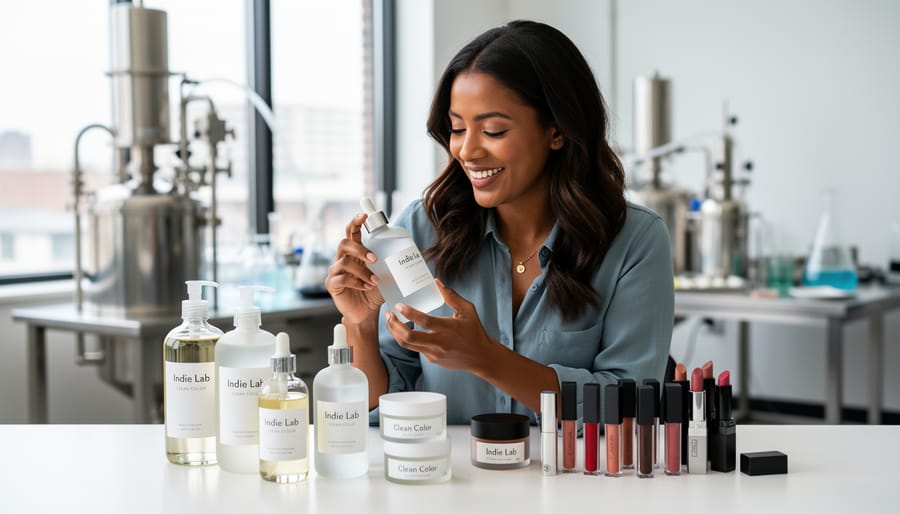
Private label beauty manufacturing opens doors for a remarkably wide range of creators who share one common challenge: they have vision and market knowledge, but not the capital or infrastructure to build their own production facilities. Beauty influencers with engaged followings can translate their authority into signature product lines that reflect their personal aesthetic and values, turning social proof into tangible revenue without investing hundreds of thousands in equipment and formulation labs.
Salon and spa owners represent another natural fit. They already understand client preferences, have built trust with their customer base, and can test products in real time. A hairstylist who’s mixed custom treatments for years can formalize those formulations into a retail line. An esthetician passionate about essential oils basics and botanical skincare can create a signature collection that extends their in-treatment expertise into clients’ homes.
Small business owners from completely different industries increasingly see beauty as an extension of their brand identity. Boutique retailers, wellness coaches, yoga studio owners, and lifestyle bloggers all leverage contract manufacturing to add beauty products that align with their existing offerings and deepen customer relationships.
What’s particularly exciting is how accessible manufacturing democratizes who gets to participate in beauty innovation. Mission-driven entrepreneurs from underrepresented communities, whether focused on shade ranges that major brands ignore, ingredients rooted in cultural traditions, or sustainability commitments that go beyond greenwashing, can now bring products to market that reflect their lived experience and serve communities they understand intimately.
The barrier to entry isn’t eliminated, but it’s dramatically lowered. You need solid market research, startup capital for initial production runs, and commitment to building a brand. You don’t need a chemistry degree, a factory, or venture capital backing to start.
How the Process Works: From Concept to Finished Product
Starting a beauty line through contract manufacturing follows a structured path that removes much of the guesswork. While each manufacturer has their own approach, understanding the typical stages helps you prepare for the journey ahead.
The process usually unfolds in these key phases:
- Initial consultation where you share your vision, target market, and product concepts with the manufacturing team
- Formulation development, during which chemists create samples based on your specifications, ingredient preferences, and desired performance characteristics
- Testing and refinement rounds where you evaluate samples, provide feedback, and work toward the final formula
- Packaging design and selection, choosing containers, colors, and finishes that align with your brand identity
- Regulatory compliance review to ensure formulas meet safety standards and labeling requirements
- Production run setup, including finalizing quantities and confirming timelines
- Manufacturing and quality control, where your products are made, tested, and prepared for shipping
The timeline varies considerably based on product complexity and customization level. A simple private label line using existing formulas might move from consultation to finished product in weeks, while fully custom formulations with unique packaging can take several months. Your level of involvement matters too, quick decision-making and clear communication accelerate every stage.
Expect to stay engaged throughout. Manufacturers need your input on formula adjustments, packaging mockups, and final approvals before production begins. This isn’t a hands-off process, but most contract manufacturers guide you through each decision point, explaining options and trade-offs so you can make informed choices even without technical expertise.
Budget flexibility helps during development. While you’ll receive pricing estimates upfront, refinements sometimes affect costs, switching to a premium ingredient or adding a complex packaging feature mid-process, for example. Transparent manufacturers discuss these implications before proceeding, so there are no surprises when the final invoice arrives.
What to Know Before Starting Your Beauty Line
Launching your own beauty line sounds glamorous, especially when you see new indie beauty launches popping up every month. But turning that vision into actual products requires navigating some practical realities that can make or break your brand before it even starts.
Start with budget clarity. Unlike retail cosmetics with fixed prices, contract manufacturing quotes are custom, they depend on formulation complexity, ingredient choices, packaging, and order volume. Reach out to manufacturers early to get realistic pricing and avoid planning around assumptions that might be wildly off base.
Minimum order quantities matter more than most first-time founders expect. You can’t typically order fifty lipsticks to test the waters. Manufacturers set minimums to make production runs economically viable, and that number might range from hundreds to thousands of units per SKU. Factor in storage costs for inventory you’ll be holding while building your market.
Timeline is another surprise. From your first conversation to holding finished products takes months, not weeks. Formulation development, testing, packaging sourcing, production scheduling, and shipping all add up. If you’re planning a holiday launch or tying your debut to a specific event, work backward from that date and add buffer time.
Regulatory compliance isn’t optional. Your manufacturer should guide you through FDA requirements, labeling standards, and safety testing, but ultimate responsibility sits with you as the brand owner. Ask potential partners how they handle compliance support and what documentation they provide.
Come prepared with questions: What’s their specialization? How do they source ingredients? What’s included in their development process versus what you’ll need to manage separately? Can you visit their facility? The right manufacturing partner becomes a collaborator in bringing your vision to life, not just a vendor filling orders.
The Ethical Dimension: Transparency in Beauty Production
Transparency isn’t just a buzzword, it’s becoming the baseline expectation for conscious consumers who want to know exactly what’s in their products and where those ingredients come from. When a manufacturer operates its own facility in Fort Pierce, Florida, brands can offer their customers visibility into the production process in a way that overseas contracts rarely allow. You’re not guessing about factory conditions or ingredient sourcing chains that stretch across continents.
This shift toward openness mirrors broader conversations happening across industries. Just as we’ve seen sustainability transparency reshape outdoor apparel, beauty consumers now expect brands to be upfront about formulations, testing, and manufacturing ethics. Contract manufacturers who specialize in natural ingredients and publish clear information about their processes make it easier for indie brands to tell honest stories.
For beauty entrepreneurs, partnering with a transparent manufacturer means you can confidently answer customer questions about where your products are made, how ingredients are sourced, and what quality controls exist. It’s the difference between vague marketing language and specific, verifiable claims. As beauty industry updates continue to highlight ingredient scandals and misleading labels, transparency becomes a competitive advantage. Brands that can point to clear manufacturing partnerships and ingredient traceability build trust that translates into loyal customers who feel good about what they’re putting on their skin.
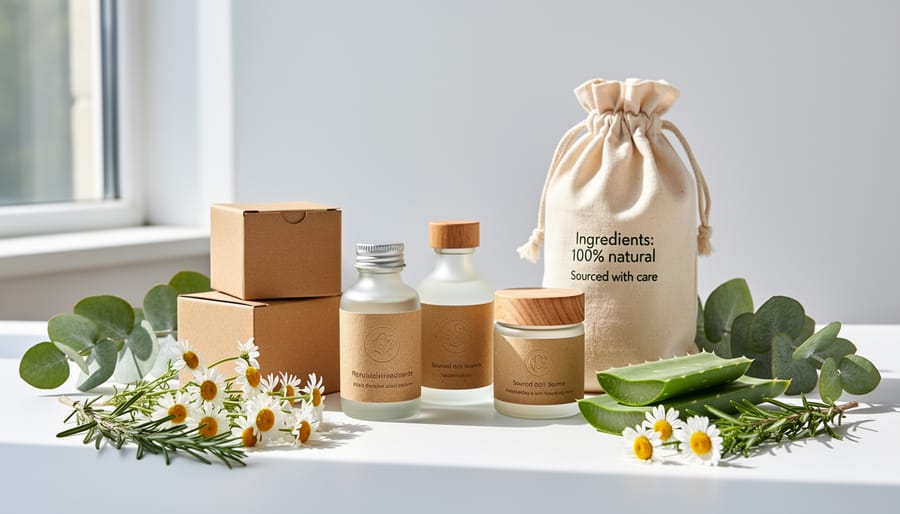
The rise of accessible contract manufacturing has fundamentally shifted who gets to participate in the beauty industry. What was once reserved for corporations with deep pockets and industry connections is now within reach for salon owners, influencers, skincare enthusiasts, and creators from every background imaginable. This isn’t just about making it easier to launch a lipstick line, it’s about diversifying the voices that shape what beauty means and who it serves.
When more people can turn their ideas into reality, the entire industry becomes richer and more representative. The makeup artist who understands undertones that major brands ignore, the esthetician who knows exactly what their clients need, the creator who sees a gap in the market, these are the innovators pushing beauty forward. Manufacturing partners that prioritize transparency and accessibility make that innovation possible.
If you’ve ever thought about creating your own beauty product, or if you simply want to support brands built on genuine passion rather than marketing budgets, now is the time to lean into that curiosity. The barriers are lower than they’ve ever been. The beauty industry is being remade by people who look like you, think like you, and create for communities that have been overlooked for far too long.