 dennis
Transparent fashion pricing typically ranges from 30 to 200 percent higher than conventional fast fashion, with most ethical basics landing between $40 and $150 compared to $10 to $40 for their mainstream counterparts. That premium isn’t arbitrary markup. It reflects the true cost of paying garment workers living wages, using sustainable materials, maintaining safe factory conditions, and building supply chains you can actually trace from fiber to finished product.
The price gap narrows considerably when you compare transparent brands to mid-tier or luxury conventional labels. A $78 organic cotton tee from a transparent brand often costs less than designer options while offering far more accountability. The difference comes down to where your money goes: fast fashion funnels profits to shareholders and marketing budgets, while transparent brands distribute costs more evenly across fair labor, quality materials, and environmental safeguards.
Understanding these price factors matters now more than ever. As we move through 2026, more shoppers are questioning why a shirt costs $8 or why a $200 dress might actually represent fair value. Transparent pricing strips away the mystery, showing you exactly how much goes to the seamstress who made your jeans, the organic farmer who grew the cotton, and the small-batch dye house that colored the fabric without poisoning local waterways.
The clothing industry has long obscured its true costs, externalizing environmental damage and labor exploitation to keep prices artificially low. Transparent brands flip that model, making visibility the foundation of their business. You see the markup, the material costs, the labor investment, and the profit margin spelled out clearly.
This shift requires rethinking what “affordable” means. Transparent fashion asks you to weigh immediate sticker price against long-term value, quality that lasts years instead of weeks, and the dignity of everyone involved in making what you wear.
What You’ll Pay: Transparent Fashion Pricing in 2026
Entry-Level Transparent Pieces
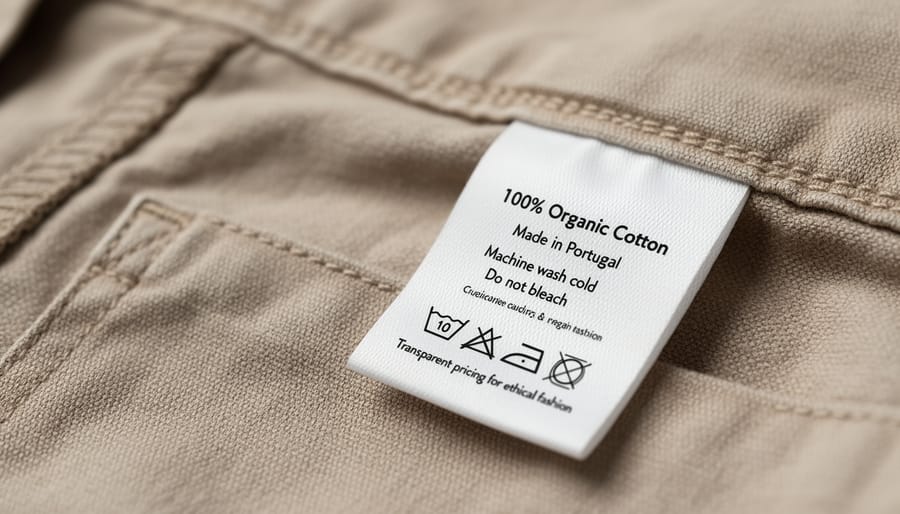
Entry-level transparent pieces typically range from $25 to $80, positioning themselves slightly above fast fashion but well below luxury pricing. A basic organic cotton t-shirt from a transparent brand usually costs $30-45, compared to $10-20 for conventional equivalents. Simple accessories like socks or beanies start around $15-25, while essential bottoms like leggings or jeans sit between $60-80.
What makes these pieces accessible isn’t just the price point, it’s the information included. Most transparent brands at this level provide detailed cost breakdowns showing exactly where your money goes, from fabric sourcing ($8-12 per shirt) to factory wages ($5-8) and shipping costs. This radical honesty helps justify the premium over fast fashion while keeping prices reasonable for conscious shoppers building sustainable wardrobes.
The accessibility factor also comes from durability claims backed by transparent production standards. A $40 transparent t-shirt designed to last three years effectively costs less per wear than cheaper alternatives replaced annually. Many transparent brands offer repair programs or lifetime guarantees, further improving the value proposition for entry-level conscious consumers.
Premium Transparent Collections
At the premium end, transparent fashion pieces typically range from $200 to $800 for ready-to-wear items, with designer collaborations and limited editions pushing beyond $1,000. These elevated price points reflect investments in rare sustainable materials like peace silk, plant-based leathers from mycelium or cactus, and innovative fabrics developed through years of research.
Artisan-crafted transparent collections command higher prices because they preserve traditional techniques and pay makers hourly wages rather than per-piece rates. A hand-embroidered jacket from a transparent brand might cost $600, with the pricing breakdown showing that 40% goes directly to the artisan versus the 5-8% typical in conventional luxury fashion. Designer collaborations between transparent brands and established names bring cachet alongside ethics, though markup increases reflect both partners’ margins.
Small-batch production drives costs up since brands can’t leverage mass manufacturing discounts. A transparent brand producing 100 coats pays significantly more per unit than one ordering 10,000. However, the pricing transparency itself distinguishes these pieces: you see exactly why that $400 dress costs what it does, from the organic linen ($45) to the seamstress wage ($98) to the carbon-neutral shipping ($12).
Where Your Money Goes: True Cost Breakdown
Materials and Fabric Costs
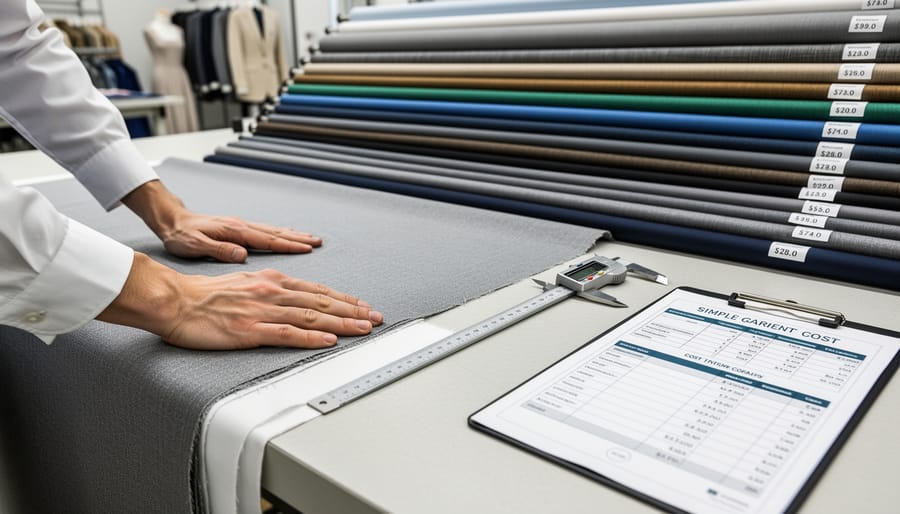
Materials typically claim 15-30% of a transparent garment’s retail price, though this figure swings dramatically based on fabric choice. A conventional cotton T-shirt might allocate $3-5 to materials in a $40 piece, while an organic cotton equivalent pushes that to $8-12 due to certified farming practices and smaller production runs.
Sustainable materials command premiums that transparent brands openly acknowledge. Recycled polyester adds 20-40% over virgin poly. Tencel and other innovative cellulosics cost roughly double compared to conventional rayon. Deadstock fabrics, leftover materials from luxury houses, can actually reduce costs while preventing waste, though availability constraints limit scalability.
Natural dyes, non-toxic treatments, and water-saving processes further inflate the materials line. A linen dress using low-impact dyes might see material costs reach 35% of retail price versus 18% for chemically-processed equivalents. Transparent brands document these choices in their breakdowns, showing exactly why that seemingly simple shirt costs more than fast fashion alternatives.
Labor and Fair Wages
Labor typically accounts for 15-25% of a transparent fashion item’s retail price, substantially higher than the 2-5% seen in conventional fast fashion. This difference reflects living wages rather than minimum wages, plus benefits like health insurance and paid leave that ethical factories provide.
For a $80 transparent t-shirt, around $12-20 goes directly to workers’ wages and factory labor costs. Premium transparent brands paying artisan wages in developed countries may allocate 30-40% to labor, while those manufacturing in countries like Bangladesh or India with Fair Trade certification usually dedicate 18-22%.
The “ethical premium” in labor costs isn’t waste, it’s compensation that allows garment workers to afford housing, food, and education. Transparent brands often publish factory names and wage data, letting you verify that higher prices genuinely support better working conditions rather than padding profit margins.
Production, Shipping, and Overhead
Behind the polished storefront and Instagram feed lies a web of operational costs that transparent brands break down openly. Manufacturing overhead typically accounts for 8-12% of your garment’s price, covering factory utilities, quality control systems, and production management. Shipping adds another 5-8%, not just the boat or plane journey, but also customs, duties, and the last-mile delivery to your door.
Warehouse operations consume 3-5% for inventory storage, order fulfillment centers, and returns processing. Then comes business infrastructure: website hosting, payment processing fees, customer service teams, and the technology platforms that power transparency dashboards. Combined, these backend operations claim 15-20% of the retail price. Transparent brands itemize these costs to show why a $85 shirt isn’t just fabric and stitching, it’s the entire ecosystem needed to get that garment from concept to your closet while maintaining ethical standards at every checkpoint.
Brand Margin and Profit
Transparent brands typically retain profit margins of 10-20%, dramatically lower than conventional fashion’s 50-80% markups. A $100 transparent t-shirt might allocate $12 to profit, while a comparable conventional retailer keeps $60-70 after production costs. This difference explains why transparent items feel expensive, you’re seeing the true cost without hidden markups layered through wholesale chains, seasonal sales planning, and retailer premiums. Some transparent brands reinvest portions of profit into social programs, worker benefits, or environmental initiatives, further distinguishing their margin structure from traditional retail’s shareholder-focused model.
What Influences Transparent Fashion Prices
Certification and Traceability Standards
Third-party certifications aren’t free, and they show up directly in your garment’s price tag. Fair Trade certification alone can add 5-15% to production costs through audit fees, compliance infrastructure, and the premium paid to workers. GOTS (Global Organic Textile Standard) certification requires annual inspections at every supply chain stage, from farm to finished product, typically costing brands $1,000-$15,000 per facility depending on size.
B Corp certification goes further, demanding comprehensive documentation of environmental and social impact across the entire business. The certification process costs $1,000-50,000 initially, plus annual fees based on revenue. Blockchain-based traceability systems, increasingly common in 2026, add another layer of expense. These digital tracking platforms cost brands anywhere from $0.50 to $3 per garment to implement and maintain.
These investments explain why certified transparent pieces often cost 20-40% more than conventional equivalents. You’re not just buying fabric and labor, you’re funding the verification systems that prove those ethics claims are real, not marketing fluff.
Production Scale and Brand Size
Manufacturing volume dramatically shapes how much you pay for transparent fashion. Small independent brands producing 500 pieces per style face higher per-unit costs than established companies manufacturing 50,000. The math is straightforward: fabric suppliers offer better rates for bulk orders, pattern-making costs spread thinner across larger runs, and production facilities charge less per garment when filling bigger orders.
A transparent startup might pay $45 per organic cotton t-shirt in small batches, while a larger ethical brand secures $18 for essentially the same item at scale. Both brands show you these exact numbers through transparent pricing, but the final retail price reflects their production reality.
This doesn’t mean smaller brands deliver less value. You’re often supporting direct relationships with artisans, experimental sustainable materials, and inclusive sizing that larger operations haven’t adopted. As transparent brands grow, many pass savings directly to customers rather than widening profit margins, another benefit of full cost disclosure you can actually verify.
Geographic Sourcing and Manufacturing Location
Where clothes get made dramatically changes what you pay, and what brands can reveal. A t-shirt sewn in Portugal costs roughly 40-60% more to produce than one made in Bangladesh, purely from labor rates that reflect local minimum wages and living costs. Transparent brands manufacturing domestically in the US, UK, or EU often charge $80-150 for items priced at $30-60 from Asian factories, but that premium buys shorter supply chains with easier auditing and documentation.
Developing economies offer lower costs yet present transparency challenges: tracking subcontractors across multi-tier supply chains requires more investment in monitoring systems. Some transparent brands solve this by partnering with single certified factories in countries like India or Vietnam, maintaining traceability without prohibitive premiums. Others choose nearshoring, manufacturing in neighboring countries with moderate wages, balancing cost, quality control, and the ability to visit production sites regularly. Geography isn’t just about price; it determines how easily brands can prove their claims.
Material Innovation and Sustainability
Material choice stands at the heart of transparent pricing differences. Conventional cotton costs brands roughly $1.50 to $3 per garment, while organic cotton jumps to $3 to $6 due to labor-intensive cultivation without synthetic pesticides and smaller production volumes. Recycled polyester sits in the middle at $2 to $4 per piece, requiring specialized processing facilities that many manufacturers still lack in 2026.
Innovative materials command premium prices. Piñatex (pineapple leather alternative) adds $8 to $15 per square meter versus synthetic leather’s $3 to $5. Mushroom-based mycelium fabrics can double or triple material costs for early-adopter brands. Deadstock fabric offers a budget-friendly sustainable option at near-conventional prices, but limited availability means brands can’t scale entire collections around it.
The transparency premium shows in retail prices: a basic organic cotton tee from brands committed to honest sustainability typically costs $35 to $55 versus $15 to $25 for conventional equivalents. However, these innovative materials often deliver better durability and lower environmental impact, shifting the value equation from upfront cost to cost-per-wear over years of use.
Supporting Transparent Brands vs. Shopping Conventional Fashion
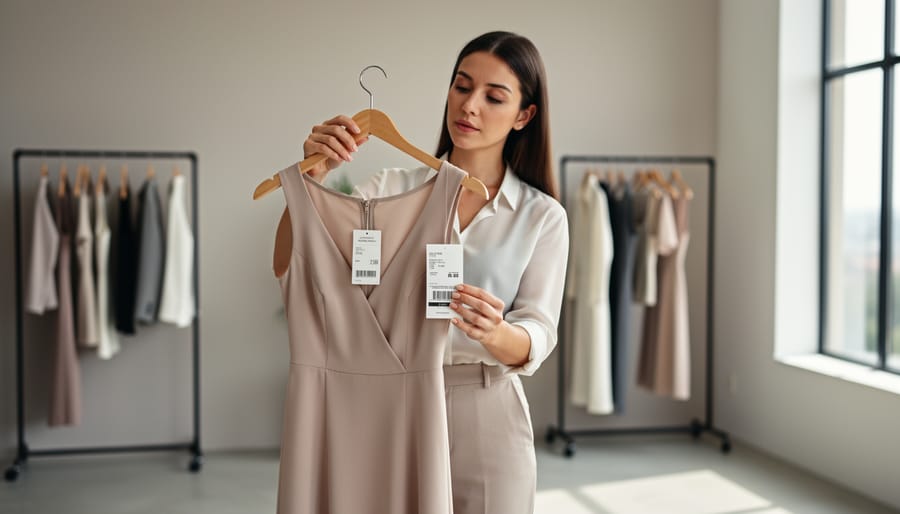
When Transparent Pricing Makes Sense for Your Wardrobe
Transparent pricing delivers the most value when you’re building a foundational wardrobe meant to last years rather than seasons. If you’re investing in core pieces, a well-cut blazer, quality denim, versatile outerwear, knowing exactly what you’re paying for ensures you get materials and construction that justify the price. An adaptive wardrobe benefits especially from transparent brands because you can verify the durability and ethical standards behind pieces you’ll wear repeatedly.
Transparent pricing also makes sense when your values directly intersect with your purchasing decisions. If fair wages, sustainable materials, or supply chain accountability matter to you beyond buzzwords, seeing the actual cost breakdown confirms your money supports those commitments. Choose transparent brands for items where provenance matters most to you personally, whether that’s undergarments touching your skin, statement pieces representing your identity, or gifts carrying meaning beyond their price tag. The premium pays for peace of mind and alignment, not just the garment itself.
Mixing Transparent and Conventional: A Balanced Approach
You don’t need to buy your entire wardrobe from transparent brands to make a meaningful impact. Most conscious shoppers create hybrid closets that combine transparent pieces for core items with conventional purchases for trend-driven accessories or budget-conscious basics.
Start by investing in transparent staples you’ll wear repeatedly, jeans, outerwear, work basics, where full cost disclosure ensures quality construction and ethical production. These foundational pieces deliver value through longevity offsetting higher upfront costs through years of wear.
For trend pieces, seasonal items, or categories outside your budget priorities, conventional shopping remains practical. The key is applying what you’ve learned from transparent brands: ask questions, research materials, check for certifications even from conventional retailers, and favor companies moving toward disclosure over those hiding their supply chains.
This balanced approach makes transparent fashion accessible rather than aspirational. You’re not aiming for perfection, you’re building a wardrobe that aligns your values with your reality, one intentional purchase at a time.
DIY Research: How to Demand Transparency Yourself
Start with the brand’s website: scroll to the footer and look for an “About”, “Our Values”, or “Supply Chain” page. Genuine transparency efforts show up here first, factory locations, partner certifications, material sourcing details. If you find nothing, that silence tells you something.
Next, email customer service directly. Ask where the item was made, what the workers earned, or how the fabric was sourced. Specific questions get specific answers. Vague or defensive responses signal a brand isn’t ready to share. Document what you learn and share it on social media, tagging the brand, public questions create public accountability.
Check third-party resources like Good On You, Fashion Revolution’s transparency index, or B Corp directories. These platforms independently verify claims and rate brands on labor, environmental, and animal welfare standards. Cross-reference what brands say with what auditors confirm.
Use your purchasing power strategically. Before you buy, comment on posts or send direct messages asking for cost breakdowns or factory information. Brands track these inquiries; enough questions from enough people shifts priorities. When a brand does share meaningful details, celebrate it publicly, positive reinforcement works.
Vote with your wallet. Choose brands making even modest transparency efforts over those offering nothing. Small steps matter. Your questions, your choices, and your voice contribute to a market where hiding supply chain realities becomes harder to justify.
Transparent Fashion Pricing Around the World
Transparent pricing looks different across global markets, shaped by local labor costs, manufacturing infrastructure, and cultural expectations around disclosure. In North America, brands tend to emphasize percentage breakdowns and factory profiles, reflecting consumer demand for detailed supply chain narratives. European transparent brands often weave pricing clarity into broader circular economy commitments, with secondhand integration and repair services built into their cost models. Asia-Pacific markets showcase the widest pricing variation, where an emerging transparent brand in Seoul might price basics at half what a comparable Tokyo label charges, driven by differences in rent, wages, and consumer purchasing power.
Regional pioneers are adapting transparency to local realities:
- North America: Everlane built its model on radical cost breakdowns; Reformation adds sustainability metrics and carbon footprints to every product page
- Europe: Asket (Sweden) publishes exact factory wages and material costs; Nudie Jeans (Sweden) offers lifetime free repairs to offset higher upfront prices
- Asia-Pacific: Kowtow (New Zealand) highlights fair trade premiums in pricing; Korean labels increasingly publish fabric sourcing maps alongside cost data
- Global Direct-to-Consumer: Cuyana and Nisolo leverage international production to balance transparent wages with accessible pricing, showing detailed margin splits
In developing manufacturing hubs, local brands face unique challenges: publishing fair wage premiums can price them above fast-fashion competitors who exploit the same labor pool. Conversely, European brands producing domestically absorb higher costs but benefit from strong regional support for ethical fashion. The result is a pricing landscape where a certified organic cotton tee ranges from forty dollars in Bangladesh to ninety in Denmark, both legitimately transparent but serving vastly different economic contexts in 2026.
DIY vs Hiring a Pro
When it comes to transparent fashion pricing, “DIY vs. hiring a pro” reframes as supporting transparent brands versus shopping conventional fashion while doing your own research. If you buy from a brand practicing manufacturing transparency you’re essentially hiring them to do the investigative work, they’ve audited suppliers, verified wages, and broken down costs for you. This saves you hours of emailing brands and cross-referencing certifications, but you’ll pay a premium, typically 20-40% more than comparable conventional items. The upside: guaranteed ethical sourcing and zero guesswork about where your money goes.
Going the DIY route means shopping anywhere while demanding answers yourself, asking brands direct questions about labor conditions, requesting supplier information, and researching certifications independently. You’ll spend significantly less upfront (conventional pricing) and invest time instead of money, but you risk incomplete information or greenwashing. The quality of transparency depends entirely on your persistence and the brand’s willingness to respond. Many shoppers blend both approaches: invest in transparent brands for core wardrobe pieces where traceability matters most, then apply DIY research tactics to fill gaps with budget-friendly conventional finds.
Steps at a Glance
Target: ~160 words of prose + numbered list enrichment
Purpose: Actionable steps for readers to evaluate and support transparent fashion pricing
Focus: Practical research and purchasing steps, not repeating earlier breakdowns or comparisons
Structure:
– Brief intro (1-2 sentences) positioning these steps as reader actions
– Numbered list: 5-6 concrete steps to research transparency, verify claims, and make informed purchases
– Brief closing sentence connecting steps to empowered shopping
—
Whether you’re ready to invest in your first transparent piece or want to push your favorite brands toward disclosure, these practical steps will help you navigate pricing transparency with confidence and make decisions that align with your values and budget.
- Check the brand’s website for a dedicated transparency or impact page, legitimate transparent brands publish detailed cost breakdowns, supplier lists, or interactive price calculators.
- Look for third-party certifications like Fair Trade, GOTS, or B Corp status that verify ethical claims beyond self-reported brand statements.
- Compare the per-wear cost by dividing the item price by estimated wears, a $90 transparent tee worn 100 times costs less per wear than a $15 fast fashion piece worn 10 times before falling apart.
- Read the product page material and labor details, transparent brands specify fabric origins, factory locations, and wage standards rather than vague sustainability language.
- Start small with one transparent basic or accessory to test quality and value before committing your entire wardrobe budget.
- Join brand communities or follow their social channels to see behind-the-scenes production content and ask questions directly about pricing decisions.
These steps transform you from passive consumer to informed advocate, building a wardrobe that reflects both your style and your values at a pace that works for your life.
Common Questions About Transparent Fashion Pricing
Navigating transparent fashion pricing raises practical questions, especially when you’re weighing a higher price tag against your budget and values. Here are answers to the concerns readers bring up most often.
Why does transparent fashion usually cost more than conventional brands?
Transparent brands often pay fair wages, use sustainable materials, and maintain ethical supply chains, costs that traditional retailers absorb through lower labor expenses and cheaper fabrics. You’re paying for the real cost of production rather than a markup that hides exploitation somewhere in the chain.
How can I tell if a brand’s transparency claims are genuine or just greenwashing?
Look for specific cost breakdowns published on product pages or the brand website, third-party certifications like Fair Trade or GOTS, and traceable supply chain information with factory names and locations. Vague sustainability language without hard numbers is a red flag.
Does transparent pricing guarantee better quality or longer-lasting clothes?
Not automatically. Transparent pricing shows you where your money goes, but quality depends on materials, construction, and design. A brand can be fully transparent about using budget fabrics and simple stitching, it’s honest, but the garment won’t necessarily outlast a well-made conventional piece.
Are there affordable transparent fashion options, or is it all premium-priced?
Entry-level transparent brands exist, particularly for basics like tees and underwear, with prices starting around $25-$45. The key is comparing apples to apples: transparent mid-range often matches conventional mid-range pricing once you account for durability and ethical production.
What should I ask a brand if they don’t publish full pricing breakdowns?
Request information about factory locations, wage standards, and material sourcing. Ask whether they conduct third-party audits and if they can share what percentage of the retail price goes to the people making the clothes. Brands committed to transparency will respond with specifics, not generic mission statements.
Is it worth paying extra for transparency if I’m on a tight budget?
It depends on your priorities and purchasing strategy. You don’t have to overhaul your entire wardrobe overnight, start with one or two transparent staples you’ll wear frequently, then blend conventional purchases where transparency isn’t feasible yet. Every informed choice moves the industry forward.
These questions reflect genuine uncertainty many shoppers face when transparent pricing challenges decades of conventional retail habits. The answers aren’t always black and white, but understanding the nuances helps you make purchasing decisions that align with both your values and your wallet. Transparency doesn’t demand perfection from you as a consumer, it simply offers you the information to choose consciously, one garment at a time.
Transparent fashion pricing puts the power back in your hands. When brands show you exactly where your money goes, from the cotton farmer to the factory worker to the shipping container, you gain the knowledge to make choices that truly align with your values and budget. No more guessing whether a premium price tag reflects ethical practices or just marketing hype.
This shift toward full cost disclosure is reshaping the industry. Every time you support a brand that breaks down their pricing or ask your favorite retailer “who made this and what did you pay them,” you’re voting for a fashion system that values honesty over hidden markups. The transparent brands profiled throughout this guide prove that clear pricing works across every price point, from accessible basics to investment pieces.
You don’t need to overhaul your entire wardrobe overnight or only shop transparent brands. Start where you can. Maybe that means choosing one transparent brand for your next jeans purchase, researching a conventional favorite’s supply chain, or simply sharing what you’ve learned with friends who care about ethical fashion. Small shifts create momentum.
The future of fashion belongs to informed consumers like you, people who ask questions, demand answers, and recognize that every purchase shapes the industry we all share. Whether you’re exploring your first transparent brand or building a fully traced wardrobe, you’re part of the movement toward a fashion world where everyone knows the true cost and value of what they wear.