 dennis
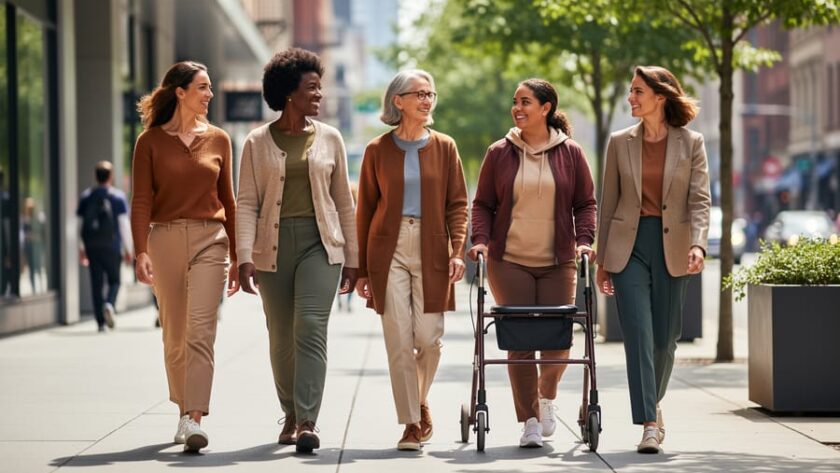
Fashion inspiration today lives in the feeds, stories, and lives of women who’ve redefined style as something far bigger than trends or price tags. These are the creators, advocates, and everyday visionaries who prove that authentic personal style transcends size charts, age brackets, budget constraints, and outdated beauty standards. Rather than chasing unattainable ideals, they share real outfits for real bodies, champion ethical fashion practices, and build communities where everyone belongs.
What makes someone genuinely inspiring in 2026? It’s not follower counts or perfect photography. The women profiled here have built trust through transparent storytelling, consistent advocacy for underrepresented communities, and meaningful partnerships with brands that share their values. They show up in adaptive clothing. They celebrate aging. They normalize different body shapes and abilities. They question fast fashion and spotlight sustainable alternatives.
This curated collection introduces you to diverse voices who are reshaping what fashion inspiration means. Each profile highlights why their influence matters, the communities they serve, and how they’re making style more accessible and inclusive. Whether you’re searching for everyday outfit ideas, sustainable shopping guidance, or simply someone whose style journey mirrors your own, you’ll find multiple entry points here. No gatekeeping, no unrealistic standards. Just real people wearing real clothes and proving that everyone deserves to feel confident in what they wear.
How We Curated This List
We built this list around five core principles that matter more than follower counts or celebrity status.
Diversity representation came first. We sought women and gender-expansive individuals across different ages, body types, ethnicities, abilities, and gender identities. Fashion inspiration should reflect the full spectrum of people who love style.
Ethical fashion advocacy meant prioritizing voices who actively push for sustainable practices, fair labor, or transparent production. We wanted inspirers who consider the impact of what they wear.
Authentic storytelling separated genuine influence from performative posts. Each person on this list shares their fashion journey honestly, including struggles and evolution, not just curated highlights.
Accessibility focus ensured we included advocates who make fashion feel achievable rather than aspirational to the point of exclusion. Style should invite people in, not gate-keep.
Collaborative brand partnerships showed us who’s actually shaping the industry. We looked for meaningful collaborations that expand representation in real product offerings, not just one-off campaigns.
Real influence happens when someone changes how you see yourself in clothes, not when they rack up likes.
1. Lizzo, Body Positivity Meets High Fashion
Lizzo has transformed the conversation around plus-size fashion by refusing to compromise between style and size inclusivity. The Grammy-winning artist regularly works with luxury designers who create custom pieces that celebrate her body rather than conceal it, proving that haute couture belongs on all figures.
Her red carpet moments consistently challenge fashion industry norms. She’s worn everything from Valentino gowns to Moschino statement pieces, each look meticulously tailored to showcase confidence and craft. What makes her particularly inspiring is how she translates these high-fashion moments into accessible messaging for her audience.
Through collaborations with brands like Yitty, her shapewear line, and partnerships with Quay Australia, Lizzo demonstrates that body positivity isn’t just about acceptance, it’s about having genuine options. She advocates loudly for better size ranges in mainstream fashion, using her platform to pressure brands toward meaningful change rather than performative inclusivity.
Her influence extends beyond what she wears to how she makes others feel about getting dressed every day.
2. Iris Apfel, Timeless Style at Every Age
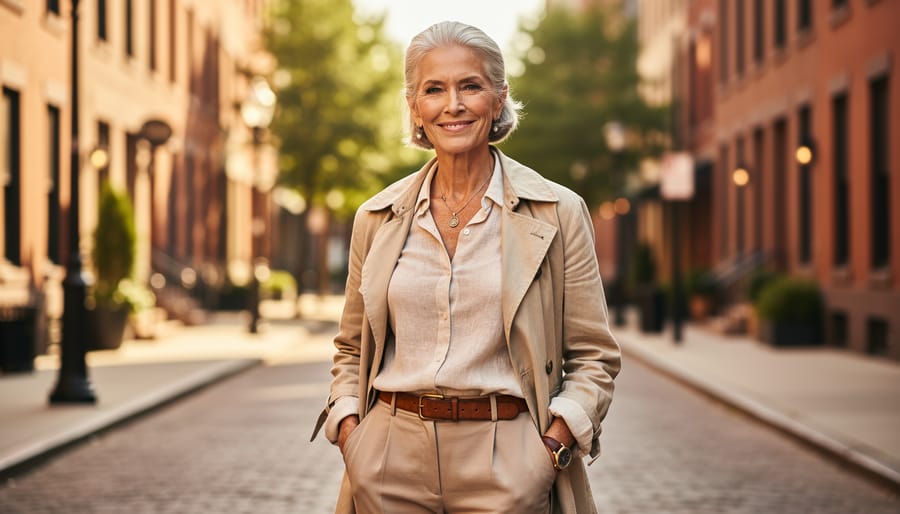
Iris Apfel proved that style isn’t something you age out of, it’s something you grow into. The interior designer turned fashion icon didn’t become a household name until her eighties, when her bold jewelry layering, oversized eyewear, and fearless pattern mixing caught the attention of the Metropolitan Museum of Art. Her approach rejects the idea that women over fifty should “dress their age” or fade into neutral tones.
What makes Apfel genuinely inspiring is her commitment to personal expression over trends. She’s worn the same Kenzo coat for forty years because she loves it, mixed vintage finds with designer pieces, and never apologized for standing out. Her collaborations with brands like MAC Cosmetics and HSN brought her maximalist aesthetic to accessible price points, proving that distinctive style doesn’t require endless budgets.
Apfel’s legacy reminds us that fashion gets more interesting as we accumulate experiences, refine our tastes, and stop caring what anyone else thinks. Real style confidence comes with time.
3. Leomie Anderson, Runway Model and Inclusivity Advocate
Leomie Anderson walked runways for Victoria’s Secret and luxury brands before many in the industry were ready to have honest conversations about representation. She didn’t wait for permission to speak up. The British model launched LAPP (Leomie Anderson Project Project), a platform dedicated to empowering young women while consistently calling out tokenism in fashion campaigns.
What makes Anderson’s influence unique is her refusal to separate modeling from advocacy. She’s publicly challenged brands for featuring diverse models in campaigns while maintaining homogeneous casting directors and creative teams. Her Instagram combines stunning editorial work with frank discussions about mental health, self-worth beyond appearance, and the mechanics of building genuine inclusivity in fashion spaces.
Anderson proves that walking high-fashion runways and demanding systemic change aren’t contradictory. She inspires by showing that using your platform means risking comfort, asking difficult questions, and celebrating progress while acknowledging how far the industry still needs to travel.
4. Sinéad Burke, Fashion Accessibility Champion
Sinéad Burke has transformed the conversation around adaptive fashion through her work as a writer, activist, and disability advocate. Standing 105 cm tall due to achondroplasia, she’s collaborated with major brands like Gucci and Burberry to redesign garments and retail spaces for accessibility. Her approach isn’t just about altering hemlines, it’s about reimagining fashion from the ground up to serve people with diverse bodies and abilities.
Burke’s influence extends beyond personal style. She founded Tilting the Lens, a consultancy that advises brands on inclusive design practices, ensuring accessibility becomes integrated into the creative process rather than an afterthought. Her Met Gala appearances and fashion week front-row presence prove that adaptive fashion belongs in high-fashion spaces.
What makes Burke particularly inspiring is her refusal to compromise on aesthetics while demanding function. She demonstrates that accessible clothing can be beautiful, current, and aspirational, challenging the industry’s outdated assumptions about who fashion serves.
5. Paloma Elsesser, Curve Model Breaking Barriers
Paloma Elsesser has become one of the most sought-after curve models in luxury fashion by simply existing in spaces that previously excluded bodies like hers. Her campaigns with Versace, Fendi, and Valentino aren’t token gestures, they’re full-fledged partnerships that position her as the face of these brands’ campaigns alongside straight-size models.
What sets Elsesser apart is her refusal to be pigeonholed. She doesn’t just model “plus-size collections” or appear in diversity initiatives. She walks the same runways, shoots the same editorial spreads, and wears the same high-fashion pieces as any other working model. This normalization matters because it sends a clear message: curve bodies belong in luxury fashion, period.
Her Instagram shows behind-the-scenes moments from major fashion weeks, candid discussions about industry gatekeeping, and unapologetic celebration of her body. She’s proved that representation isn’t about lowering standards, it’s about expanding them to reflect reality.
6. Halima Aden, Modest Fashion Pioneer
Halima Aden made history as the first hijab-wearing model to walk international runways and grace major magazine covers, fundamentally changing how the fashion industry views modest dressing. Her breakthrough came when she competed in the Miss Minnesota USA pageant wearing a burkini and hijab, catching the attention of IMG Models and launching a career that would inspire millions.
Working with brands like Max Mara, Alberta Ferretti, and American Eagle, Aden proved that covering doesn’t limit style options. She collaborated on modest fashion collections that brought runway aesthetics to everyday wear, making high-quality modest pieces accessible beyond specialty retailers. Her Sports Illustrated burkini feature particularly resonated, showing that modesty and mainstream fashion aren’t mutually exclusive.
Though Aden stepped back from runway modeling to preserve her religious values, her impact endures. She demonstrated that fashion can honor cultural and religious identity while remaining creative and aspirational, opening doors for countless women who’d never seen themselves represented in fashion media.
7. Jameela Jamil, Anti-Diet Culture Fashion Voice
Jameela Jamil leverages her platform to dismantle toxic diet culture while celebrating fashion as a form of self-expression rather than body modification. The actress and activist created the I Weigh movement, which encourages measuring self-worth beyond physical appearance. Her approach to style directly counters the idea that certain looks are reserved for specific body types.
On red carpets and in everyday life, Jamil chooses pieces that make her feel powerful without conforming to restrictive beauty standards. She’s openly criticized airbrushing, detox teas, and weight-loss products marketed to women, using her fashion choices to prove that confidence doesn’t require shrinking yourself. Her collaborations with brands emphasize body neutrality over body positivity, shifting focus from loving how your body looks to appreciating what it can do.
This perspective resonates with women tired of fashion being tied to unattainable ideals. Jamil demonstrates that real style inspiration comes from authenticity and comfort, not from meeting someone else’s standard of “perfect.”
8. Lyn Slater, Accidental Icon Redefining Mature Style
Lyn Slater stumbled into fashion fame in her sixties when street style photographers mistook her for a runway attendee outside New York Fashion Week. Instead of fading into the background, she leaned into the moment and transformed into one of fashion’s most compelling voices for mature women.
What makes Slater genuinely inspiring is her refusal to dress “age-appropriately.” She mixes avant-garde silhouettes with vintage finds, proving that personal style doesn’t expire at fifty. Her silver hair and bold makeup choices challenge the fashion industry’s obsession with youth while her academic background as a social work professor brings intellectual depth to her fashion commentary.
Slater’s collaborations with brands like Mango and her work as a model demonstrate that fashion inspiration can spark at any stage of life. She wears oversized coats, architectural pieces, and experimental textures with the confidence that comes from knowing exactly who she is. Her message resonates: authentic style matters more than following trends designed for twenty-somethings.
9. Munroe Bergdorf, Transgender Rights and Fashion Visibility
Munroe Bergdorf has become one of fashion’s most powerful voices for transgender visibility and LGBTQ+ rights. After making history as L’Oréal’s first openly transgender UK ambassador, she’s worked with brands including Illamasqua and Cosmopolitan to push conversations around authentic representation beyond tokenism. Her activism intertwines seamlessly with her fashion presence, whether she’s walking runways, fronting campaigns, or speaking at industry events, Bergdorf challenges the binary thinking that has long dominated beauty and style spaces. She champions an emerging style of advocacy where fashion becomes a platform for social justice rather than escapism from it. Her influence extends beyond her own visibility: she mentors younger trans creatives, calls out performative allyship, and demands that brands back their inclusive messaging with meaningful policy changes. For anyone who has felt excluded from traditional fashion narratives, Bergdorf demonstrates that true style inspiration comes from living authentically and refusing to compromise your identity for industry acceptance.
10. Wisdom Kaye, Gen Z Gender-Fluid Fashion Innovator
Wisdom Kaye built a massive TikTok following by treating clothing as creative expression rather than gendered categories. His boundary-pushing outfits mix tailored pieces with unexpected textures and patterns, proving that men can draw inspiration from women’s fashion, and vice versa, without losing authenticity.
What sets Kaye apart is his ability to make experimental looks feel approachable. He’ll pair a structured blazer with flowing fabrics, or combine vintage finds with contemporary streetwear, always explaining his thought process. This transparency helps younger audiences understand that personal style isn’t about following rules, it’s about exploring what resonates.
Kaye’s collaborations with brands like Gap demonstrate growing industry recognition that Gen Z shoppers reject rigid fashion categories. His influence extends beyond individual outfit inspiration; he’s helping normalize the idea that creativity, not conformity, should guide our wardrobes. For anyone questioning whether they can pull off a particular piece, Kaye’s work offers a resounding yes.
11. Bethany Meyers, Nonbinary Athleisure Inspiration
Bethany Meyers built a following not just through fitness expertise but by demonstrating that athleisure can be a powerful form of gender expression. As a nonbinary activist and movement coach, Meyers shows how comfortable, well-designed activewear creates space for authentic self-presentation without conforming to traditional gender expectations.
Their signature look combines oversized hoodies with fitted bike shorts, vintage athletic pieces with contemporary sneakers, and neutral color palettes that feel intentional rather than bland. Meyers proves that building an adaptive wardrobe centered on comfort doesn’t mean sacrificing style or personal expression.
What makes Meyers particularly inspiring is their transparency about body image and their rejection of fitness culture’s toxic elements. They advocate for clothes that move with your body, accommodate fluctuating sizes, and prioritize how you feel over how you look. Their collaborations with brands like Outdoor Voices emphasize functional design that works for multiple body types and gender presentations, pushing the industry toward truly inclusive sizing and silhouettes that don’t assume a specific body shape.
12. Yara Shahidi, Ethical Fashion and Cultural Pride
Yara Shahidi approaches fashion as an extension of her values rather than simple adornment. The actress and activist consistently chooses designers and brands that prioritize fair labor practices, sustainable materials, and transparent supply chains. She views each red carpet appearance and public styling choice as an opportunity to spotlight emerging designers from underrepresented communities, particularly those creating work that honors their cultural roots.
Her style seamlessly blends vintage pieces with contemporary ethical brands, proving that conscious fashion choices never require sacrificing personal aesthetics. Shahidi frequently wears garments that reference her Iranian and African American heritage, turning fashion moments into celebrations of cultural identity. She’s vocal about researching brand practices before collaborating, setting an example for younger audiences seeking trend inspiration that aligns with their principles.
What makes Shahidi particularly inspiring is her rejection of fast fashion culture while remaining genuinely stylish and current. She demonstrates that ethical consumption and fashion-forward choices coexist beautifully when you prioritize quality, story, and substance over quantity.
13. Kelela, Avant-Garde Style for Women of Color
Kelela’s approach to fashion proves that avant-garde doesn’t mean unwearable. The Ethiopian-American musician treats clothing as an extension of artistic expression, consistently choosing pieces that challenge conventional silhouettes while remaining rooted in wearability. She gravitates toward emerging Black designers and brands pushing conceptual boundaries, demonstrating how experimental fashion can translate into everyday confidence.
Her red carpet appearances showcase structured asymmetry, unexpected textures, and bold color blocking that celebrate rather than conform to traditional beauty standards. What makes Kelela’s style particularly inspiring is her commitment to highlighting designers of color who rarely receive mainstream recognition. She proves that adventurous fashion choices don’t require abandoning comfort or authenticity.
For women hesitant about experimental styles, Kelela’s method offers a roadmap: start with one statement piece paired with familiar basics, prioritize pieces that make you feel powerful rather than just look interesting, and remember that personal style evolution is a creative process without rules.
14. Alex Consani, Young Trans Model Making History
Alex Consani represents a watershed moment in fashion’s evolution toward genuine inclusivity. As one of the industry’s most prominent young trans models, she’s not just breaking barriers, she’s redefining what’s possible for the next generation. Walking for Victoria’s Secret’s 2024 comeback show marked a historic first, but her impact extends far beyond singular runway moments.
What sets Consani apart is her ability to work with major brands while maintaining authentic advocacy. She’s collaborated with everyone from Marc Jacobs to Versace, proving that trans visibility and high fashion aren’t mutually exclusive. Her presence in campaigns alongside sustainable brands signals a broader shift: the industry’s youngest consumers expect both ethical practices and inclusive representation, not one or the other.
Consani’s influence reaches beyond the runway. Her social media presence blends fashion inspiration with honest conversations about identity, making her relatable to young people navigating their own style journeys while seeing themselves reflected in mainstream fashion for the first time.
15. Precious Lee, Plus-Size Luxury Fashion Icon
Precious Lee has become synonymous with luxury fashion’s curve revolution, gracing runways for Versace, Valentino, and Michael Kors while proving that high fashion belongs on every body type. Unlike the tokenism that once defined plus-size representation in luxury spaces, Lee’s work demonstrates genuine integration, she’s not the “plus-size option” but a sought-after model whose presence elevates campaigns and runway shows.
Her collaboration with brands like Fenty and her appearance in Sports Illustrated’s Swimsuit Issue positioned curve models alongside straight-size counterparts as equals, not exceptions. Lee frequently speaks about the importance of seeing yourself reflected in spaces you’ve been told don’t belong to you, making her influence extend beyond beautiful clothing into reshaping industry standards.
What makes Lee particularly inspirational is her confidence without apology. She doesn’t discuss her body as something to overcome or hide but celebrates it as the vehicle for stunning fashion. This unapologetic approach gives women permission to pursue the styles they love rather than settling for what’s deemed “flattering” by outdated rules.
Why Diverse Fashion Inspiration Matters Now
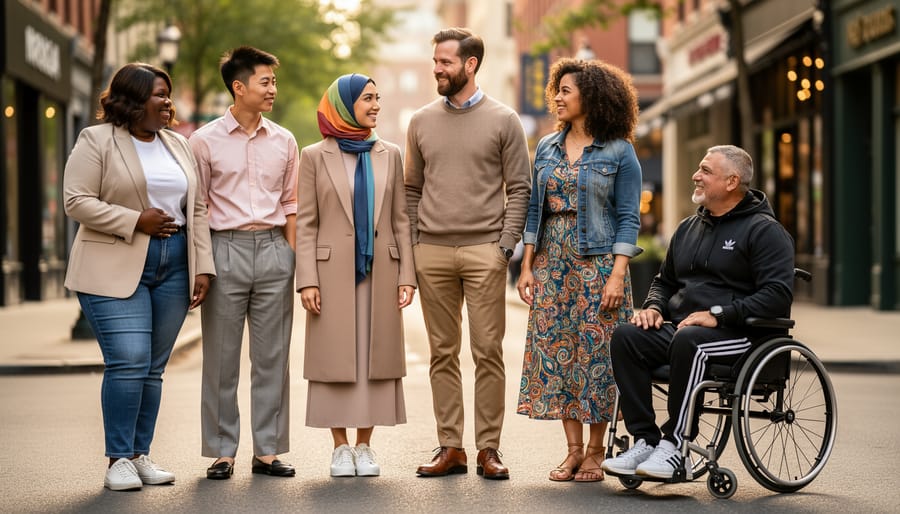
When you see someone who shares your body type, age, cultural background, or gender identity confidently expressing themselves through fashion, something shifts. That representation validates your own right to take up space in fashion conversations and experiment with style on your terms, not according to outdated industry gatekeeping.
The women featured in this list prove that diverse fashion inspiration directly challenges the narrow beauty standards that have dominated runways and magazines for decades. When Lizzo collaborates with luxury brands or Sinéad Burke designs adaptive clothing, they force the industry to expand its definition of who belongs in fashion spaces. That shift creates tangible change: more size ranges, better accessibility features, campaigns that actually reflect the diversity of people buying the clothes.
This matters because fashion affects how we see ourselves and move through the world. Discovering inspiration from someone whose experience mirrors yours builds the confidence to dress for yourself rather than invisible critics. At LOFT PROJECT, we believe everyone deserves to find their reflection in fashion media, to see proof that style is a right, not a privilege reserved for specific bodies or identities. That’s why we curate content celebrating the breadth of human expression through clothing.
Key Details to Know
Fashion inspiration works best when you understand how to find, follow, and apply it to your own life. Here are the essentials for building a more inclusive approach to style discovery:
- Follow at least five fashion inspirations who differ from you in age, size, ethnicity, or gender identity to broaden your perspective
- Look beyond follower counts, authentic storytelling and consistent values matter more than popularity metrics
- Save outfit ideas that spark joy rather than intimidation, focusing on what feels achievable for your lifestyle and budget
- Check if influencers disclose brand partnerships and discuss ethical practices, as transparency signals genuine advocacy
- Adapt inspiration to your reality by identifying specific elements (a color palette, a silhouette, an accessory choice) rather than copying entire looks
- Unfollow accounts that make you feel inadequate or trigger comparison spirals, even if their aesthetic appeals to you
- Engage with creators by commenting thoughtfully and sharing their work when it resonates, helping amplify diverse voices
Remember that inspiration should energize your relationship with fashion, not diminish it. The right mix of voices will challenge you to experiment while affirming that your current style already holds value.
Your Questions About Fashion Inspiration, Answered
Finding fashion inspiration that feels authentic to your identity starts with following creators who share your lived experiences, whether that’s body type, cultural background, age, or gender identity. Look beyond follower counts and focus on individuals who show real outfit variety, discuss the “why” behind their style choices, and engage honestly with their communities. Platforms like Instagram and TikTok make it easier than ever to discover niche style voices, while collaborative brand campaigns often highlight which influencers are genuinely shaping industry conversations rather than just promoting products.
What makes someone a truly inspirational fashion figure?
Authenticity matters most, genuine inspirational figures share their style evolution, admit fashion missteps, and demonstrate consistent values rather than jumping on every trend. They inspire through accessible storytelling and show how they adapt looks to real life, not just perfectly curated photoshoots.
How do I adapt trends to my personal style without losing myself?
Start by identifying which element of a trend resonates with you, the color, silhouette, or vibe, then incorporate just that piece into outfits you already love. Your personal style should evolve with you, not be dictated by what’s currently popular.
Where can I discover ethical fashion leaders?
Search hashtags like #ethicalfashion, #slowfashion, and #sustainablestyle, and pay attention to who discusses brand labor practices, material sourcing, and clothing longevity alongside outfit content. Truly ethical voices prioritize transparency about where clothes come from and champion brands with verified sustainable practices.
How do I build style confidence when I don’t see people like me in mainstream fashion?
Seek out communities and creators within your specific identity groups, they exist and are creating powerful content even if algorithms don’t always surface them. Building confidence comes from experimenting in low-pressure environments, celebrating small style wins, and remembering that your perspective brings something valuable to fashion conversations.
Remember that fashion inspiration works best when it sparks your creativity rather than making you feel inadequate. The right sources will leave you excited to experiment with your wardrobe, not pressured to buy everything they feature or transform overnight.