 dennis
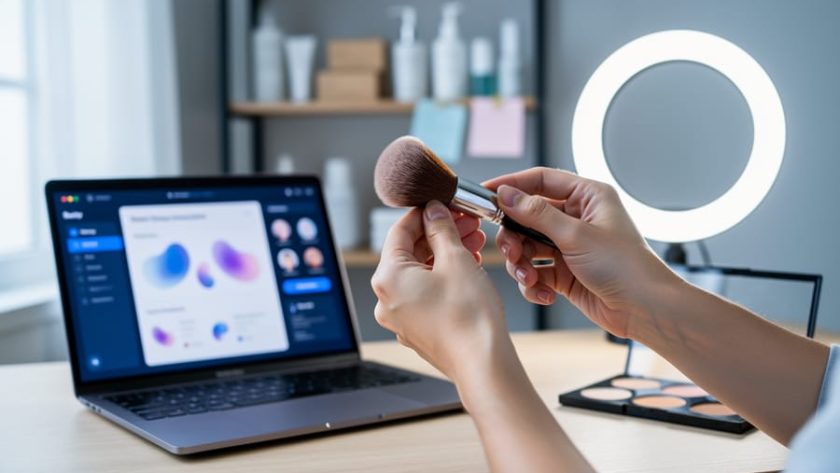
Beauty events have moved online, and the shift has stuck. A virtual beauty conference lets you join panels, product demos, and live Q&As from your couch, usually through a free or low-cost registration and a link sent to your inbox. No flights, no hotel bills, no crowded convention floor. Just a screen, a good connection, and your curiosity.
What’s changed is who gets a seat. In-person beauty gatherings once favored those who could afford the travel and the ticket. Virtual formats open the door wider, so someone in a small town, a caregiver on a tight schedule, or a shopper who finds crowds exhausting can learn alongside industry insiders. Brands are also sharing more about how products are made, who makes them, and what’s actually in the bottle, which matters if ethical shopping guides your choices.
Not every event deserves your time, though. This guide walks through the biggest developments in virtual beauty events, why they matter for inclusion and conscious shopping, and how to vet a conference before you sign up.
From Front-Row Invites to Open Doors: What Changed in Beauty Events
Not long ago, a seat at a beauty event meant an invitation, a plane ticket, and a pretty good connection. Trade shows and press previews were built for industry insiders, which left everyday beauty lovers, new creators, and small shop owners watching from the sidelines, scrolling photos after the fact.
That’s changed in a big way. Livestreamed masterclasses let you watch a makeup artist build a look in real time. Virtual expo halls let you wander from booth to booth in your pajamas. Hybrid formats blend a room full of people with a screen full of people, so the conversation stretches far beyond the venue walls.
So what does a virtual beauty conference actually include? Most are built around a familiar mix:
– Live demos, where artists and educators show techniques step by step
– Product launches, with brands sharing the story behind what’s new
– Panel talks on topics like skincare science, business growth, and inclusive product design
– Networking lounges, where attendees chat with speakers, brands, and each other
– On-demand replays, so you can catch what you missed on your own schedule
Just as important is who these events serve. Beauty lovers get to learn from experts without leaving home. Creators find collaborators and fresh ideas. Small business owners meet customers and peers they’d never reach otherwise. Students get a front-row view of the industry at a fraction of the usual cost. Details vary by organizer, so always check what each event offers before you register.
Key Developments Reshaping Virtual Beauty Conferences
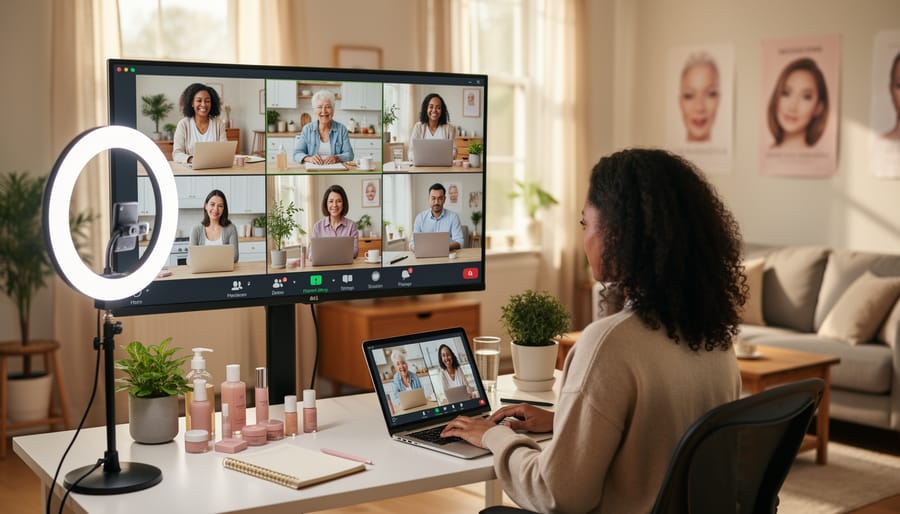
1. Access Without the Airfare: Global Doors Swing Open
Picture someone in a small town, hours from the nearest big city, watching a live makeup masterclass from her kitchen table. No flight, no hotel, no pricey day pass. That’s the quiet superpower of virtual beauty conferences: the front row is wherever you happen to be.
Travel and lodging used to be the biggest gatekeepers. When you take them out of the equation, the guest list opens up to students on tight budgets, parents juggling school pickups, and independent creators who’d never justify a cross-country trip. Ticket prices vary by event, so check each organizer’s details, but many virtual formats are simply more affordable than their in-person cousins.
Time zones matter less than you’d think, too. Replays let you catch a session after your shift ends or after the kids are asleep, and you can pause, rewind, and take notes at your own pace. Captions and transcripts, when an event offers them, make sessions easier to follow for people who are deaf or hard of hearing, for anyone watching in a noisy space, and for viewers who simply absorb information better by reading along.
Before you register, look for a clear accessibility note from the organizer. It’s a small detail that says a lot about who the event is really for.
2. Shade Ranges, Skin Tones, and Real Faces on Screen
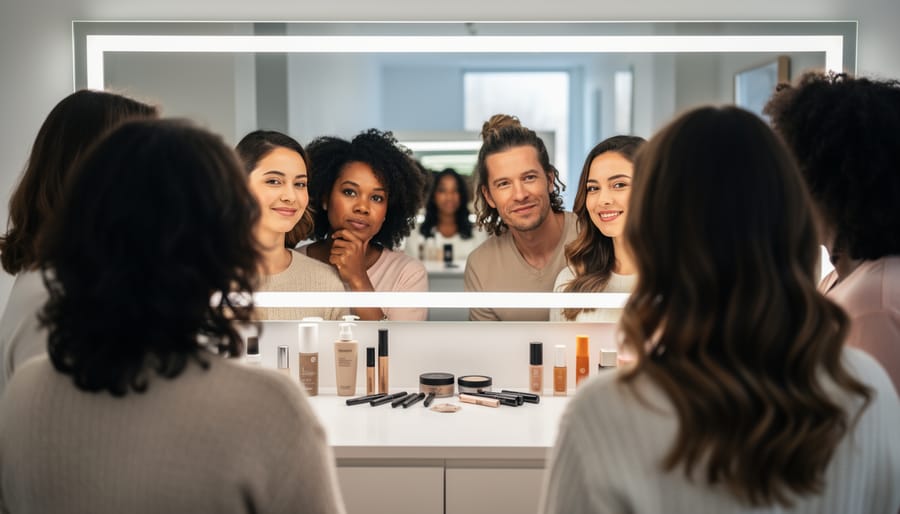
Virtual stages change who gets seen. A live demo no longer has to be limited to one model on a runway or one skin tone under a spotlight. When brands and speakers choose to, they can show how a foundation looks on deep, medium, and fair skin, how a curl cream behaves on coils versus waves, or how a bold lip works at twenty-five and at seventy.
That’s an opportunity, though, not a promise. Some virtual events still lean on a narrow set of faces, so it pays to watch closely. Notice who’s invited to demo, whose hair and skin get airtime, and whether the panels include people of different ages, sizes, and gender identities talking about their own experiences, not just being talked about.
A few things worth looking for:
– Shade demos that go beyond a token few swatches
– Hair tutorials covering a range of textures
– Speakers who reflect the community they’re speaking to
– Conversations that treat every body and every gender expression with respect
When you see real faces and real stories centered, you’ve likely found an event that takes inclusion seriously. When you don’t, that’s useful information too.
3. Interactive Tech: Virtual Try-Ons, Live Chat, and Digital Swag Bags
Virtual events don’t have to feel like watching a screen from the couch. The best ones are built to make you part of the conversation, and the tools behind them are simpler than they sound.
Think of it like a conference hall that fits in your pocket. You can ask a question, vote in a quick poll, or peek at how a shade might look on you, all without leaving home. Here’s what you’ll commonly find:
- Live Q&A sessions where you can send questions straight to the speakers.
- Breakout chats that let you swap tips with other attendees in smaller groups.
- On-demand replays so you can catch what you missed on your own schedule.
- Virtual try-on demos that show how a product might look using your camera.
- Digital sample offers or goodie bags that arrive as codes or links.
Not every event offers every feature, so check the registration page before you commit. Since try-on tools depend on lighting and screen quality, treat them as a fun guide rather than a final verdict on color. If you’re curious about a product, use the chat to ask how it performs across different skin tones, hair textures, and ages. A good host will welcome that kind of question.
4. Ethics and Transparency Take the Mic
Virtual stages have become a natural home for the questions many of us are already asking at the checkout. What’s really in this formula? Where does the packaging end up? Who was at the table when this shade range was developed? At their best, online conferences give brands and experts room to talk about ingredient transparency, sustainable packaging, cruelty-free practices, and inclusive product development without the rush of a crowded expo floor.
The format helps, too. Live Q&A and chat make it easier for everyday attendees to ask direct questions, not just industry insiders. If a panelist is vague, you can often see it in real time.
Ethical beauty, much like ethical fashion, is strongest when it’s backed by specifics. Listen for brands that explain how they source ingredients, what their packaging is made of and how it can be reused or recycled, and what “cruelty-free” or “clean” means in their own words. Look for ones that share their process, including what they’re still working on.
Treat big, shiny claims with healthy skepticism. A confident slogan isn’t proof. If a claim can’t be explained, sourced, or confirmed, it’s fair to ask for more or look elsewhere. Curiosity is part of shopping well, and a good brand will welcome your questions.
Why This Shift Matters for How You Show Up and Shop
When beauty events open their doors online, the benefits show up in everyday moments. You get to feel like you belong in the room, whatever your skin tone, age, size, or gender identity. You can pick up techniques from working artists and skincare pros, ask your own question in the chat, and walk away a little more confident about your routine.
It also changes how you shop. Virtual conferences give independent and ethical brands a stage, often with the founders themselves explaining where products come from and why they were made. Many brand partners use these events to tell their story, run joint demos with creators, or co-host a panel with a like-minded label. When you watch, listen for a clear brand ethic that matches what the speakers actually say about sourcing, packaging, and inclusivity. Notice, too, whether a brand is upfront about transparent pricing instead of hiding behind vague promises.
Armed with that knowledge, you can spend with intention, supporting brands whose values you can see and hear.
What to Watch Next as Beauty Events Keep Evolving
Beauty events keep changing, so a few things are worth watching. Hybrid formats are growing, letting you choose a screen or a seat. Look for accessibility features like captions, replays, and clear access details. Notice who’s on stage, too: a range of ages, skin tones, sizes, and gender identities tells you a lot about an organizer’s priorities. And listen for ethical transparency. Brands that explain their ingredients and sourcing, and back up what they say, deserve more of your trust.
Before you register, vet the event. Check the organizer’s track record, read the agenda, and confirm what’s actually included. Specific 2026 events and schedules should always be confirmed through official organizer announcements, since details can shift.
Then plan to get the most from it. Block out the sessions you care about and add them to your calendar. Prep two or three questions ahead of time, and join the community chats, where some of the best conversations happen. Style fans can also pair the experience with practical inspiration, like building an adaptive wardrobe that works for your everyday life.
Your Virtual Beauty Conference Questions, Answered
Here are the questions readers ask us most about virtual beauty conferences, with honest, evergreen answers. Since details change from one organizer to the next, always double-check the specifics on an event’s official page before you register.
Are virtual beauty conferences free?
It varies. Some offer free general access, while others charge for premium sessions, workshops, or replay access, so check what’s included before you commit.
Do I need to be a professional to attend?
Not at all. Many events welcome beauty lovers, students, and curious newcomers alongside creators and business owners, though a few sessions may be aimed at industry insiders.
What equipment or tech do I need?
Usually just a phone, tablet, or computer with a steady internet connection. A camera or mic is only needed if you want to join live chats or networking rooms.
Can I watch if I miss a live session?
Many organizers offer replays, but not all do, and some limit how long they stay available. Look for that detail when you sign up.
So how do you know an event is inclusive and trustworthy? Start by looking at who’s on the schedule. A thoughtful lineup includes speakers of different ages, sizes, skin tones, and gender identities, and it shows people who actually look like the audience.
Then check for the practical signs of care: captions, clear contact details, a transparent refund policy, and plain-spoken answers about how brands back up their ethical claims. If an event is vague about any of that, trust your instincts and keep looking. The right one will make you feel welcome from the very first click.
Beauty events used to feel like a party you needed a special invitation to attend. Now the doors are wide open. Virtual conferences have turned front-row moments into something anyone can join, whether you’re signing in from a big city apartment or a quiet corner of your hometown.
That shift matters because beauty belongs to everyone. Every age, size, skin tone, hair texture, and gender identity deserves a seat, a voice, and a chance to see itself reflected on the screen. When more people join the conversation, the whole industry gets smarter, kinder, and more honest.
So explore with curiosity. Ask your questions, notice who’s being celebrated, and cheer for the brands that back up their promises. You don’t need permission to take up space.
Keep following LOFT PROJECT for inclusive, ethical style and beauty insights, and we’ll keep saving you a seat.