 dennis
TFT cosmetics are digital items that let you personalize your Teamfight Tactics experience through Little Legends companions, interactive arenas, boom effects, and portals. With over 1,000 options now available in the ecosystem and Set 18: Enchanted Wilds rolling out fresh designs, these virtual collectibles have become a meaningful avenue for self-expression in gaming spaces, accessible to every player regardless of skill level or budget.
Think of TFT cosmetics as your gaming wardrobe. Just as you choose clothing that reflects your personality, these digital assets let you communicate your style on the battlefield. Your Little Legend serves as your avatar and cheerleader, your arena sets the stage, and your booms celebrate victories with visual flair. The beauty of this system lies in its democratic approach: everyone starts on equal footing, and the choices you make speak purely to aesthetic preference rather than competitive advantage.
What makes TFT cosmetics particularly compelling in 2026 is how they’ve matured into a legitimate form of personal style curation. The TFT Skins Database now catalogs rarities, showcases, and acquisition paths for the entire collection, helping players discover pieces that resonate with their identity. Whether you’re drawn to whimsical creatures, sleek futuristic environments, or vibrant celebratory effects, the ecosystem offers representation across visual languages.
This intersection of gaming and personal expression deserves the same thoughtful consideration we give to physical fashion choices. Understanding what’s available, how to acquire pieces ethically, and why these digital items hold cultural value empowers you to build a collection that feels authentically yours.
What Makes TFT Cosmetics Different from Traditional Gaming Skins
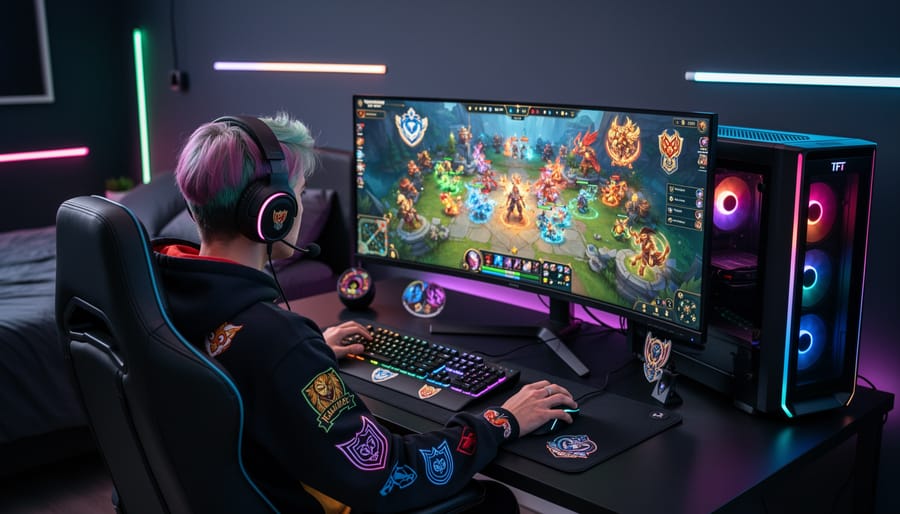
Most games hand you a new outfit for your character and call it customization. TFT cosmetics work differently. Instead of dressing an avatar you control directly, you’re curating an entire aesthetic experience that exists alongside the strategic gameplay. Your Little Legend companion sits on the board representing you, reacting to wins and losses with genuine personality. Your chosen arena sets the mood and atmosphere for every match. This isn’t about making your character look powerful or intimidating, it’s about creating a space that feels authentically yours.
The companion-based system creates an unexpected emotional bond. Players don’t just see their Little Legend as a cosmetic purchase. These creatures celebrate with you, sulk when you lose, and become digital extensions of your personality. With over 1000 options available across Little Legends, Arenas, Booms, and Portals, the variety runs deeper than simple color swaps. You might choose a sleek, minimalist aesthetic one day and switch to something whimsical the next, matching your mood rather than chasing competitive advantage.
What stands out most is the inclusive design philosophy running through the entire system. TFT cosmetics aren’t gendered, don’t require specific body types, and welcome every expression of style. Whether you’re drawn to cute, elegant, mysterious, or bold aesthetics, the cosmetic universe expands to meet you where you are. A player who loves soft pastels finds just as many options as someone seeking dramatic, high-contrast designs. This accessibility mirrors the core principles of inclusive fashion, everyone deserves to see themselves reflected and celebrated.
The Enchanted Wilds set demonstrates this breadth, offering fresh cosmetic options that span wildly different aesthetic territories within a single release. You’re not locked into one vision of what looks good. You get to define that for yourself.
The Complete TFT Cosmetics Universe
Little Legends: Your Digital Companion
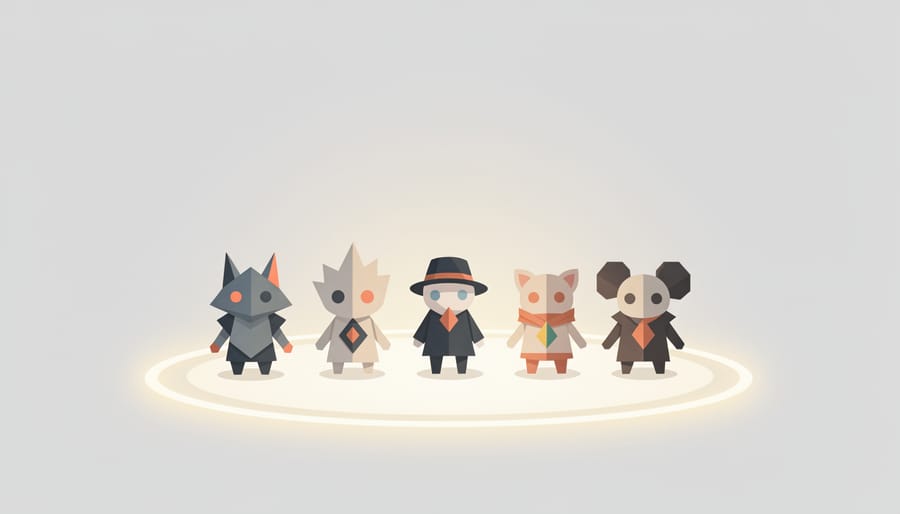
Little Legends occupy a unique space in gaming cosmetics. Unlike skins that alter a champion’s appearance, your Little Legend is your presence on the board, a companion that waddles, bounces, or floats beside you through every match. Players form surprisingly deep attachments to these creatures. A Furyhorn that nuzzles contentedly after a win, a Silverwing that flutters nervously during tense rounds, these aren’t just avatars. They’re digital extensions of how you want to show up in the game.
The variety available in 2026 reflects gaming’s shift toward genuine personalization. With over 1,000 Little Legends to choose from, the catalog spans adorable to fierce, whimsical to elegant. Some players rotate their Little Legend based on mood. Others find one that feels unmistakably “them” and stick with it for months. This emotional resonance matters because TFT cosmetics aren’t about projecting fantasy, they’re about projecting you. Your Little Legend becomes shorthand for your gaming identity, recognized by friends and opponents alike as distinctly yours.
Arenas: Setting Your Stage
Arenas transform your TFT board from a functional space into a curated environment that sets the entire mood of your match. These cosmetic backdrops range from serene forest clearings and neon-lit cyberpunk platforms to whimsical candy lands and elegant celestial observatories, each one establishing a distinct atmosphere before a single piece is placed.
The beauty of arena cosmetics lies in their ability to reflect your aesthetic preferences in real time. Whether you’re drawn to minimalist designs that keep focus on strategy or elaborate theatrical settings that make every game feel like a performance, your arena choice becomes the stage where your tactical decisions unfold. Players often rotate arenas to match their mood: calm, focused environments for competitive climbs, or vibrant, energetic backdrops for casual experimentation.
What makes arenas particularly meaningful is their visibility throughout the entire match. Unlike cosmetics that appear briefly, your arena surrounds every moment of gameplay, creating a personalized environment that feels distinctly yours while remaining visible to opponents and spectators alike.
Booms and Portals: The Finishing Touches
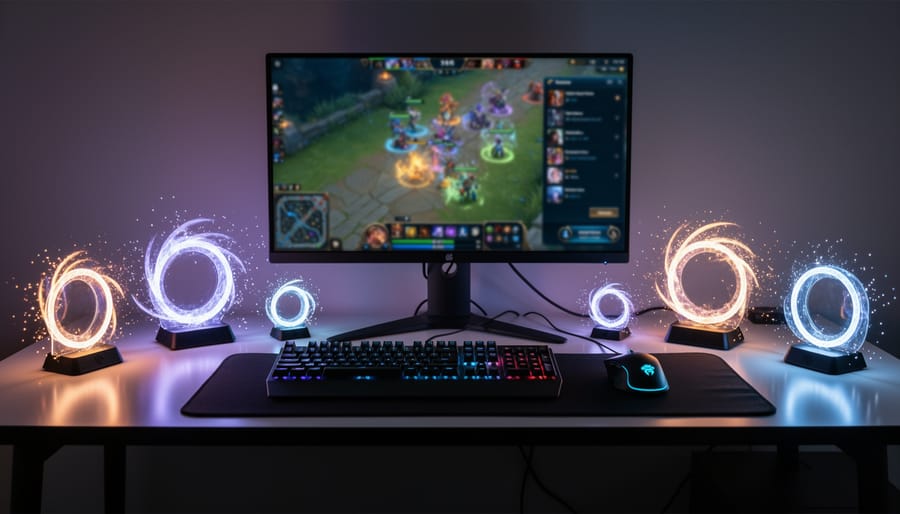
Booms and Portals represent the delightful flourishes that punctuate your TFT matches with personality. These cosmetics transform routine gameplay moments into celebrations of your aesthetic.
Booms are the visual effects that explode across your screen when you level up or achieve milestones during a match. Think of them as your digital signature, some players prefer subtle starbursts that whisper rather than shout, while others opt for cascading fireworks that announce every achievement. The variety reflects the same diversity you’d find in choosing between minimalist jewelry and statement pieces.
Portals determine how your Little Legend enters the arena at the start of each round. These entrance animations range from mystical doorways wreathed in flame to shimmering dimensional rifts that seem pulled from fantasy realms. Your portal choice sets the tone before combat even begins.
What makes these cosmetics particularly meaningful is their subtlety. Unlike Arenas or Little Legends, Booms and Portals don’t dominate the visual landscape, they enhance it. They’re the accessories that complete an outfit, the details that signal you’ve thought about presentation from every angle.
Together with your other cosmetic choices, they create a cohesive aesthetic experience that transforms each match from a simple game into a canvas for self-expression.
Why TFT Cosmetics Matter Beyond the Game
Gaming cosmetics have crossed a threshold. What once seemed trivial, a digital creature bobbing on a virtual board, now carries genuine cultural weight as a form of self-expression. TFT cosmetics participate in the same movement reshaping physical fashion: the push toward personalization, the rejection of one-size-fits-all aesthetics, and the growing understanding that style exists wherever people gather to be seen.
This matters because gaming spaces are no longer separate from “real” life. Millions of players spend hours each week in TFT, forming communities, streaming their matches, and sharing screenshots. Your Little Legend appears in every game you play, every moment you spectate, every interaction with other players. That digital companion represents you in a social space as legitimate as any physical gathering. When players choose a specific creature, arena backdrop, or boom effect, they’re making the same choices about visibility and identity that happen when selecting an outfit for a night out.
The democratization of style plays out differently in digital spaces, but the principles align. Physical fashion has begun to make people feel seen again through inclusive sizing, diverse representation, and rejection of rigid beauty standards. Gaming cosmetics follow a parallel path: the 1000+ options in TFT’s databases mean there’s room for whimsy, elegance, cuteness, edge, minimalism, or maximalist flair. No body type to fit. No gender to perform. Just visual expression detached from physical constraints.
This shift mirrors broader conversations about authenticity and redefining beauty across industries. Digital cosmetics strip away barriers that complicate physical fashion, budget limitations, body insecurity, geographical access, and leave pure aesthetic choice. A player in rural Indonesia and another in downtown Seoul can equip the same Legendary arena, expressing themselves through identical visual language regardless of economic disparity.
What makes this culturally significant isn’t the technology. It’s the recognition that where you show up matters less than how you choose to be seen. TFT cosmetics aren’t replacing physical style; they’re expanding the territory where personal expression happens and counts.
Navigating the TFT Cosmetics Landscape in 2026
Walking into the TFT cosmetics universe for the first time can feel overwhelming. With over 1000+ Little Legends, Arenas, and Booms now available, and the Enchanted Wilds set adding fresh options, you need a strategy that helps you discover what genuinely resonates rather than chasing everything that catches your eye.
The TFT Skins Database has become the go-to resource for navigating this landscape. It catalogs every Little Legend, Arena, Boom, and Portal with in-game showcases that let you see exactly how each cosmetic looks during actual gameplay. You can filter by rarity tier, explore thematic collections, and preview how different cosmetics work together before making decisions. This transparency matters because cosmetics behave differently in motion than they do in static store previews.
Start by identifying what aspects of your style you want to express. Do you gravitate toward minimalist aesthetics or maximalist flourishes? Whimsical creatures or sleek designs? The rarity system, ranging from common to mythic, doesn’t dictate style, just exclusivity. A common Little Legend that speaks to your personality will serve you better than a rare one that doesn’t.
- Browse the database by theme rather than rarity to find cosmetics that match your aesthetic
- Watch in-game showcases to see how animations and effects actually play out during matches
- Start with one category that excites you most rather than trying to build a complete collection
- Consider how your Little Legend, Arena, and Boom work together as a cohesive visual statement
- Revisit your choices as your style evolves, your digital expression doesn’t need to stay static
The Enchanted Wilds set introduced nature-inspired cosmetics that demonstrate how new releases can expand your options. Instead of feeling pressured to acquire everything immediately, treat cosmetic discovery as an ongoing exploration. Your aesthetic preferences will shift as you spend more time in the game and as new sets arrive, so building a collection that genuinely reflects you happens gradually, not all at once.
The Ethics of Gaming Cosmetics
The conversation around gaming cosmetics has grown louder, and TFT sits at an interesting crossroads where digital fashion meets fair play. When you’re spending real money on items that don’t affect gameplay, the same questions that apply to physical fashion become relevant: Who has access? What’s the real cost? Are design choices truly inclusive?
TFT’s cosmetic system sidesteps some of gaming’s most problematic practices. There are no loot boxes with unknown odds, no pay-to-win mechanics disguised as customization. The direct purchase model brings sustainability honesty to the ecosystem, you see what you’re getting before committing. This transparency matters. Just as ethical fashion brands have embraced clear supply chains and pricing breakdowns, TFT’s approach respects players enough to show them exactly what their money buys.
The design philosophy leans toward radical inclusivity in subtle ways. With over 1000 Little Legends spanning countless aesthetics, cute, fierce, ethereal, playful, there’s genuine variety beyond token representation. Players aren’t funneled toward a narrow beauty standard or forced into gendered categories. Your companion can be a fluffy Fuwa or a cosmic being, a dragon or a sprite, without judgment coded into the game’s structure.
Accessibility remains the sticking point. Cosmetics require disposable income, and while some items come through free battle passes, the breadth of options favors those who can spend. The industry still wrestles with how to balance creative expression with financial barriers, a tension familiar to anyone who’s followed ethical fashion’s ongoing struggles with pricing versus access.
The way we express ourselves has always evolved with the spaces we inhabit. TFT cosmetics represent more than just digital decoration, they’re a natural extension of how we present ourselves in the communities where we spend our time. Whether you’re choosing an outfit for a night out or selecting a Little Legend that captures your mood, the impulse is the same: to show up as yourself.
What makes this space particularly exciting is its accessibility. You don’t need a certain body type, budget tier, or fashion knowledge to participate. The cosmetics universe in TFT offers over 1000 options precisely so every player can find something that resonates. A galaxy-themed arena or a quirky companion isn’t less valid than a designer handbag, it’s just a different canvas for the same human need to express individuality.
As gaming continues to shape how we connect and create community, these digital choices matter. They’re part of how we tell our stories, signal our values, and find others who share our aesthetic sensibilities. If you’ve been curious about TFT cosmetics, there’s never been a better time to explore what speaks to you. Your digital style is still your style, and it deserves the same thoughtfulness you bring to any other form of self-presentation.